
Collision Repair
Professional Collision Repair After an Accident
Schedule an Appointment Today!
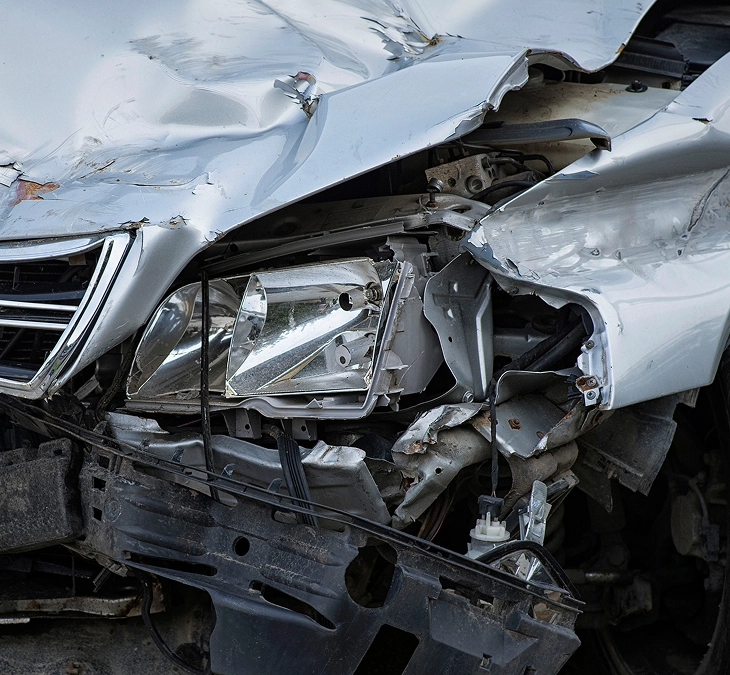
Not All About the Looks
Even a minor collision can cause more damage than what you see on the surface. Dents, cracked bumpers, damaged paint, and broken lights may be obvious, but an impact can also affect your vehicle’s structure, suspension, steering, electrical systems, sensors, and other components that are critical to safe operation.
Professional collision repair is about more than making your vehicle look good again. The goal is to identify accident-related damage, make the necessary repairs, and restore the vehicle as closely as possible to its pre-accident condition.
At Ferber’s Tire & Auto Service, our experienced team can evaluate collision damage and help guide you through the repair process, from the initial estimate to the completed repair. Contact either of our central Virginia body shops at 216 S. Washington Highway Ashland, VA 23005, or [location _link location=6], to learn more about collision repair and your options after an accident.
What Does Collision Repair Include?
The collision repair process varies depending on the location and severity of the damage. A minor parking lot accident may require bumper, dent, or paint repair, while a more significant collision can involve structural repairs and replacement of multiple components.
Collision repair may include body panel repair or replacement, dent removal, bumper repair, refinishing and paint matching, structural repairs, glass replacement, lighting repairs, and replacement of damaged exterior components.
Modern vehicles can also require mechanical and electronic repairs following a collision. Suspension components may be damaged, wheel alignment can change, and cameras or sensors used by advanced driver assistance systems may need to be inspected or calibrated.
A thorough damage assessment helps identify both visible and hidden concerns before repairs begin.
What Happens During the Collision Repair Process?
Collision repair generally begins with an inspection and estimate. A technician evaluates the visible damage and determines which components can be repaired and which may need to be replaced.
Once repairs begin and damaged exterior components are removed, additional damage may sometimes be discovered. This is commonly referred to as hidden damage because it wasn’t visible during the initial inspection. When insurance is involved, the repair facility may work with the insurance company to document the additional damage and update the repair estimate.
After structural and body repairs are completed, replacement panels are installed as necessary and repaired surfaces are prepared for refinishing. Paint is carefully matched to the existing finish before the vehicle is reassembled and inspected.
Depending on the type of collision and the systems affected, the final stages may also include diagnostic testing, a road test, suspension repairs, or a professional wheel alignment.
Hidden Collision Damage Matters
A vehicle can look relatively undamaged after an accident while still having problems beneath the surface. An impact can damage brackets, mounting points, wiring, sensors, cooling system components, or the vehicle’s underlying structure.
Steering and suspension components are another important consideration. If your vehicle begins pulling, bouncing, sitting unevenly, or handling differently after an accident, the impact may have affected shocks, struts, control arms, ball joints, or other components. Professional suspension repair may be necessary before the vehicle can be properly aligned.
This is why a comprehensive post-collision inspection is important. Repairing only visible cosmetic damage may leave underlying mechanical or safety concerns unresolved.
Affects on Your Wheel Alignment?
Yes. A collision doesn’t have to be severe to affect wheel alignment. Striking another vehicle, a curb, or another object can alter the angles at which your wheels meet the road.
After an accident, you may notice that the vehicle pulls to one side, the steering wheel sits off-center, the tires begin wearing unevenly, or the vehicle doesn’t handle the way it did before the collision.
If suspension components were damaged or replaced during collision repair, a wheel alignment is often an important final step. Proper alignment helps restore predictable handling while protecting your tires from premature wear.
Collision Repair and Modern Vehicle Technology
Modern vehicles contain cameras, radar sensors, parking sensors, blind-spot monitoring systems, and other advanced driver assistance technologies. Many of these components are located in bumpers, mirrors, windshields, grilles, and body panels—the same areas commonly affected during a collision.
As a result, collision repair today can involve considerably more than traditional body and paint work. A damaged bumper, for example, may contain electronic components that need to be inspected and, when required, calibrated after repairs.
Electrical problems can also develop after an impact if wiring, connectors, modules, lights, or other components are damaged. Thorough diagnostics help ensure that these less-visible systems aren’t overlooked during the repair process.
Do You Have to Use the Collision Shop Your Insurance Company Recommends?
After an accident, your insurance company may provide a list of preferred or recommended collision repair facilities. However, Virginia drivers generally have the right to choose the repair facility they want to use.
A collision repair facility can work with the insurance company throughout the claims process, including providing estimates, documenting damage, submitting supplements when additional damage is discovered, and communicating about necessary repairs.
When choosing a collision repair facility, consider technician experience, repair quality, communication, warranty coverage, and the facility’s ability to properly repair the mechanical and technological systems in your particular vehicle.
What to Do if Your Vehicle Has Hail Damage
Not every trip to a collision center begins with a car accident. Severe weather can leave a vehicle covered in dents and damage to the roof, hood, trunk, and body panels.
Depending on the extent of the damage, paintless dent repair or traditional body repair techniques may be used to restore the affected panels. If your vehicle has been caught in a severe storm, learn more about Ferber’s hail damage repair options.
Even when hail damage appears cosmetic, a professional inspection can help determine the extent of the damage and the appropriate repair method.
Repairing a Totaled Vehicle
Being told that a vehicle is “totaled” doesn’t necessarily mean it is physically impossible to repair. A total loss is generally an insurance determination based on factors such as the vehicle’s value and the estimated cost of repairs.
Whether repairing a totaled vehicle is practical depends on the severity and type of damage, the vehicle’s condition, repair costs, and applicable Virginia requirements. Extensive structural, fire, flood, or mechanical damage can make some vehicles impractical or unsafe to repair.
Ferber’s provides totaled car repair evaluations for drivers who want to better understand whether their damaged vehicle may be repairable.
Repairing Your Vehicle After an Accident
The right collision repair should address more than your vehicle’s appearance. Structural integrity, suspension, steering, electronics, safety technology, and overall drivability may all need to be evaluated following an accident.
A comprehensive repair process helps uncover hidden damage and ensures that affected vehicle systems receive the attention they need before your vehicle returns to the road.
If you’ve recently been involved in an accident, contact Ferber’s Tire & Auto Service to discuss the next steps. Reach out to either our Ashland location at (804) 798-4826 or Midlothian location at (804) 601-1101for help determining the right collision repair solution for your vehicle.
Collision Repair You Can Depend On
An accident can be stressful enough without being left uncertain about what happens next. From evaluating visible and hidden damage to coordinating repairs and addressing related mechanical concerns, professional collision repair helps put your vehicle—and your routine—back together.
Whether your vehicle needs minor body repair, paint work, structural repairs, suspension service, or more extensive accident repairs, Ferber’s Tire & Auto Service is ready to help you understand your options and move forward with confidence.