What Central Virginia Drivers Should Know
When a vehicle is running fine, it is easy to push an oil change, tire rotation, or inspection to next month. Automotive industry data shows that decision often costs more later. Reactive or neglected maintenance costs 3 to 9 times more per repair event than planned preventive maintenance, even before towing or lost time.
At Ferber’s Tire & Auto Service, we see this tradeoff every day across Ashland, Fredericksburg, and Richmond. A small service you skip today can turn into a compounding repair tomorrow.
What Does Planned Preventive Maintenance Cost?
For most passenger vehicles, routine upkeep averages $500 to $1,500 per year depending on type, age, and mileage. That typically includes oil changes, tire rotations, fluid checks, brake inspections, and factory scheduled maintenance.
In commercial and fleet tracking, planned maintenance averages around $0.20 per mile. That predictable cost is why fleets stay on schedule.
The return is well documented. Analysis from groups like the Car Care Council indicates that every $1 spent on scheduled preventive care saves $4 to $8 in deferred or emergency repair costs. In other words, prevention has an ROI.
What Does Neglected Maintenance Cost?
Once components fail, the math changes. Delaying routine service turns small fixes into compounding emergencies, pushing reactive repairs to $2,000 to $4,000 per year once wear is ignored.
How much more does a neglected repair cost than a planned one? Industry tracking shows unmanaged or unscheduled breakdowns cost a multiple of 3x to 9x over the baseline price of the planned fix. That multiplier does not include roadside fees, towing, rental cars, or missed work.
Two examples show why.
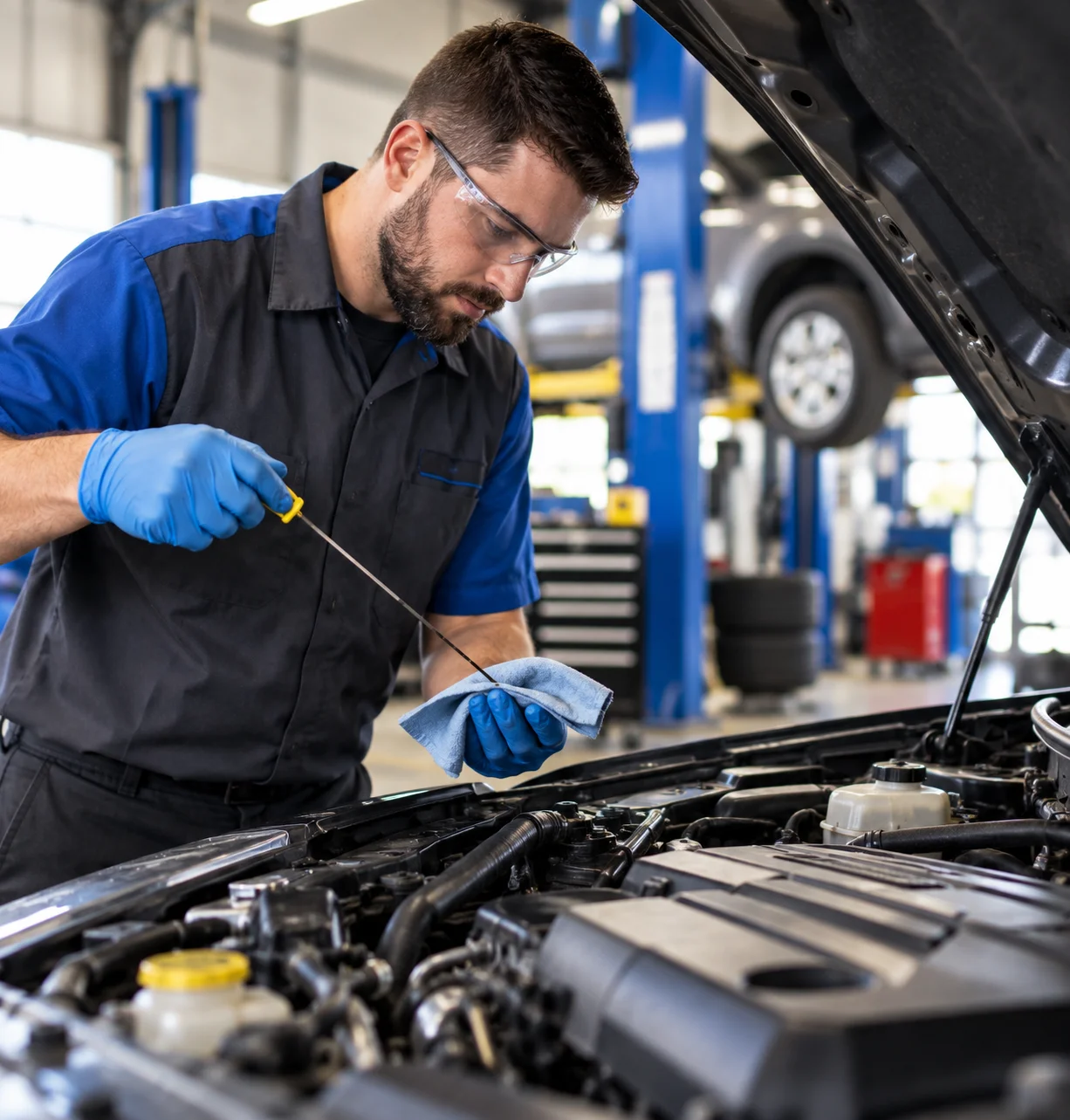
- Oil: Skipping or significantly delaying oil changes can make engine repairs up to 50 times more expensive than the cost of a basic oil change. When oil breaks down, it no longer protects bearings and cam components. What would have been routine oil change and engine lubrication service can become engine repair or replacement.
- Alignment and tires: Delaying wheel alignment and tire care causes uneven wear that makes replacing premature tires 14 to 18 times more expensive than routine adjustments. An alignment check costs far less than a new set of tires plus suspension wear.
The same pattern applies to other systems. A $30 brake inspection that catches worn pads can prevent rotor and caliper damage that requires full brake repair. A check engine light diagnostics appointment when the light first appears can identify a $200 sensor or small leak before it causes catalytic converter or cooling system damage.
Why Small Symptoms Matter
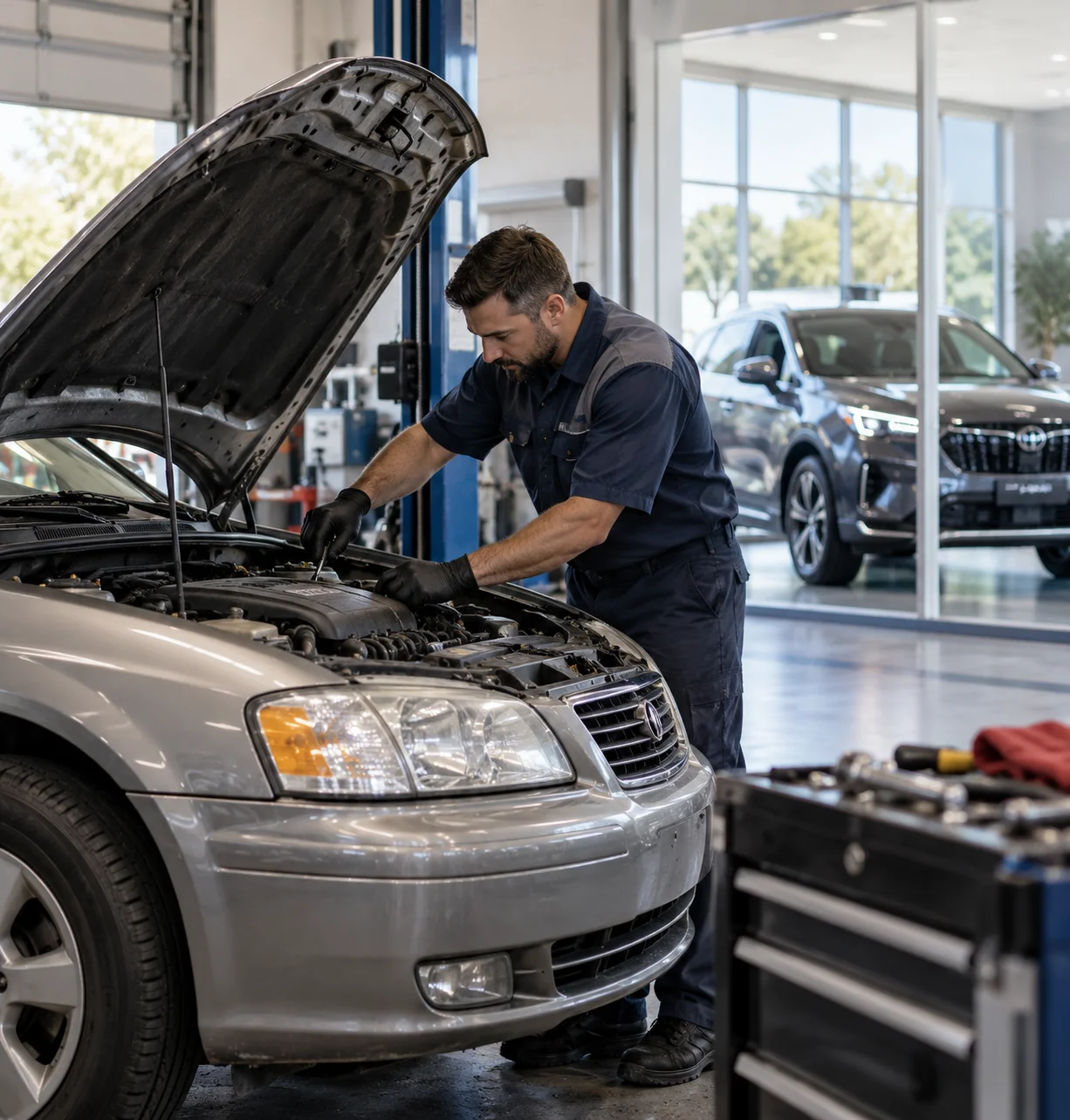
Modern vehicles use sensors to monitor engine, transmission, emissions, and braking. A slight pull, a vibration when braking, a small puddle in the driveway, or a check engine light that comes and goes is often the early stage of a repair that is still affordable. Our technicians use factory-level diagnostics to find the root cause, not just the symptom code.
Following your manufacturer’s maintenance schedule and addressing warning signs early helps keep your annual cost closer to that $500 to $1,500 preventive range, rather than in the $2,000 to $4,000 reactive range.
If you are unsure what your vehicle is due for, a quick inspection based on mileage, age, and driving conditions in Central Virginia can help prioritize what is urgent and what can be planned.
For professional preventive maintenance, diagnostics, and repair, visit or call Ferber’s Tire & Auto Service in Ashland at 106 Junction Drive Ashland, VA 23005, 804-550-2886, or 10383 Leadbetter Road Ashland, VA 23005, [as_phone-location=2]. We also have locations in Fredericksburg at 9407 Onyx Court Fredericksburg, VA 22407, (540) 898-8324, in Midlothian at 13937 Hull Street Rd N, Midlothian, VA 23112, (804) 601-1110, and in Richmond at 11201 Midlothian Turnpike, Richmond, VA 23235, (804) 665-9500.