You Shouldn’t Ignore These Problems
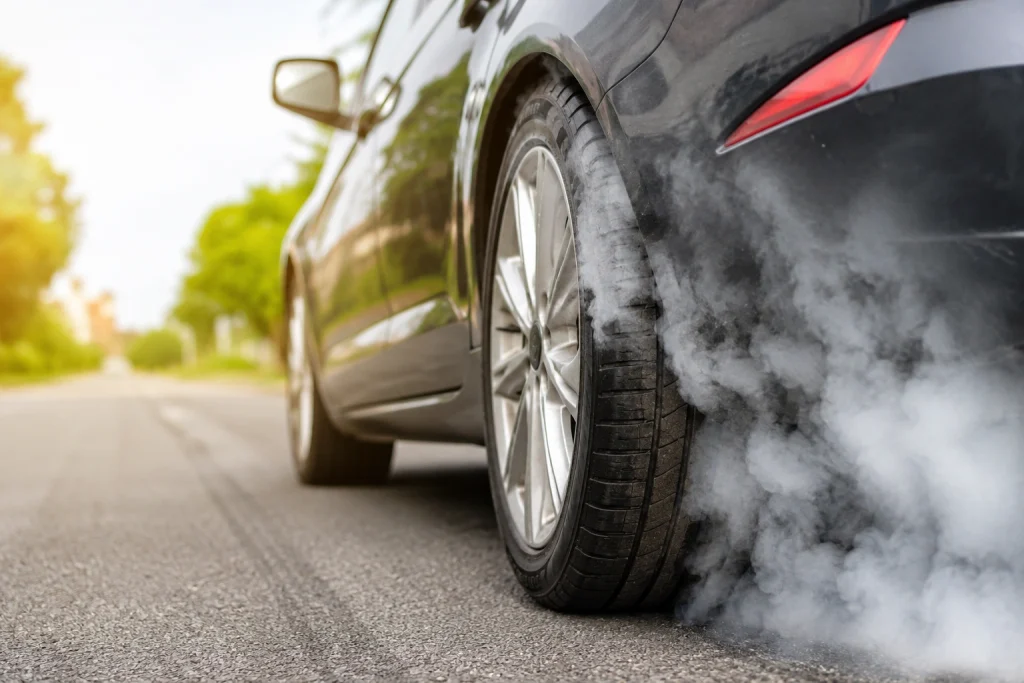
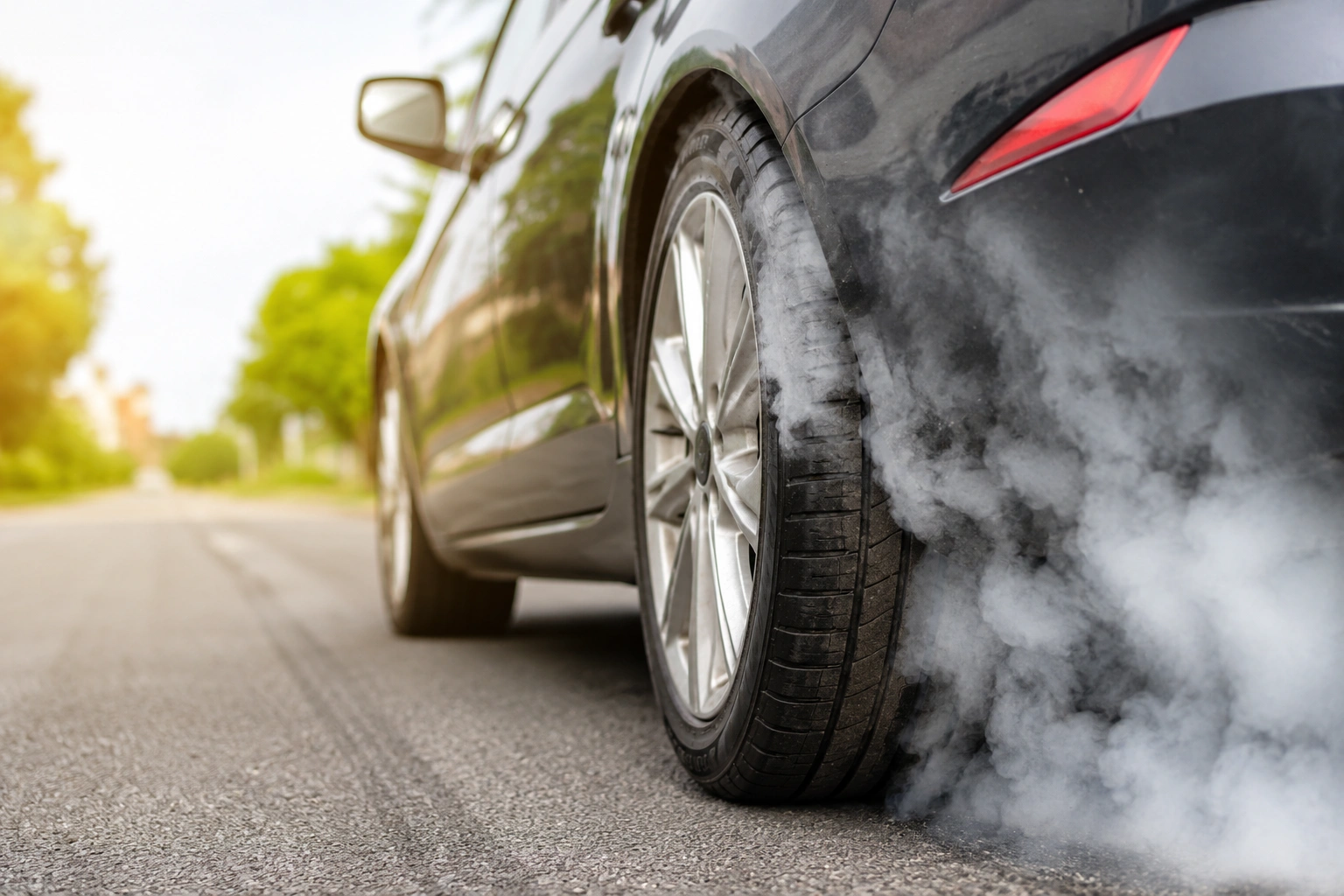
A burning rubber smell while driving can be unsettling—and for good reason. Your vehicle contains belts, hoses, fluids, electrical components, brakes, and other parts that generate considerable heat. When something overheats, leaks, slips, or rubs where it shouldn’t, a burning odor may be one of your first warnings.
If your car smells like burning rubber, don’t assume the odor will disappear on its own. Some causes are relatively simple to repair, while others could lead to a breakdown or safety concern.
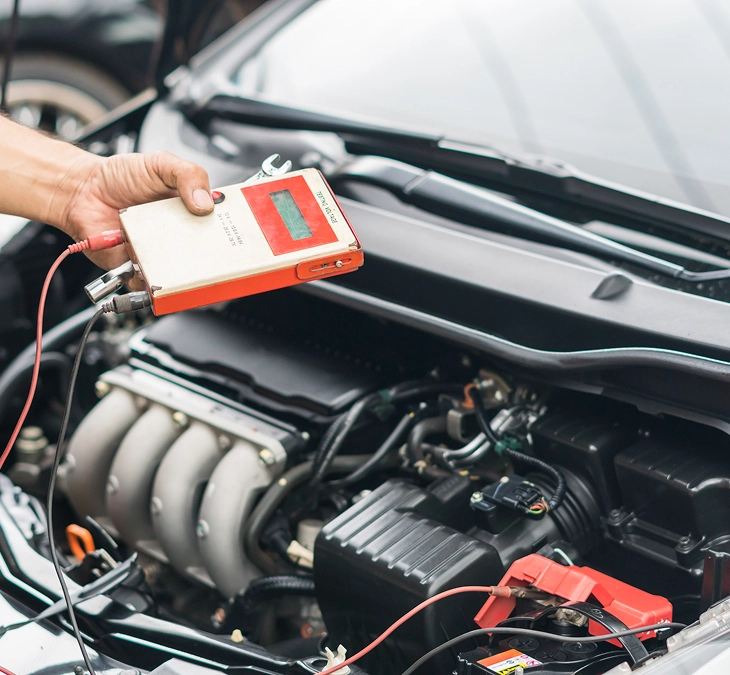
At Ferber’s Tire & Auto Service in Richmond, VA, our technicians can inspect your vehicle, identify where the smell is coming from, and recommend the appropriate repair.
6 Reasons Your Car May Smell Like Burning Rubber
Pinpointing a burning smell isn’t always easy because the odor can travel from one part of the vehicle to another. These six problems are worth investigating.
1. A Slipping or Worn Serpentine Belt
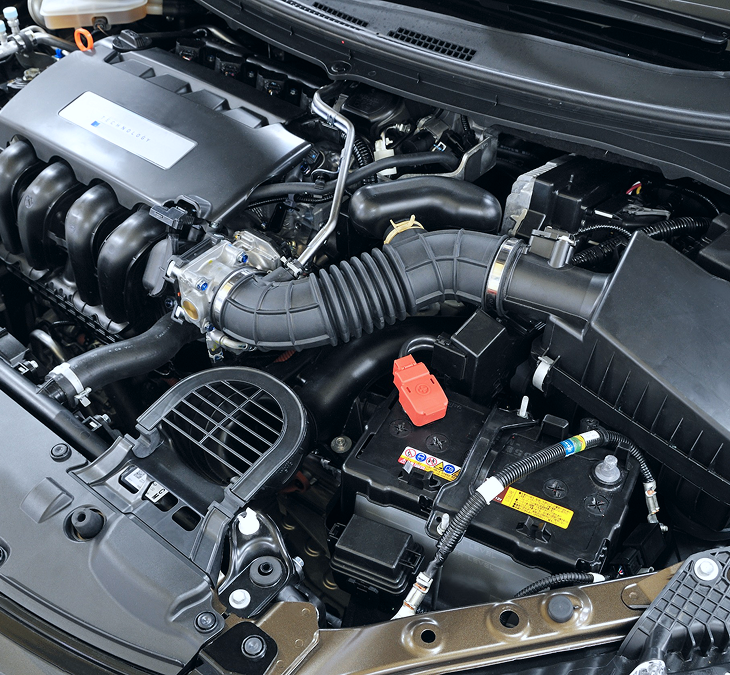
Your serpentine belt helps operate important components such as the alternator, power steering pump, water pump, or A/C compressor, depending on your vehicle. If the belt becomes worn, misaligned, or starts slipping across a pulley, friction can create a noticeable burning-rubber odor.
A squealing or chirping sound from under the hood may accompany the smell. Because a broken belt can quickly leave you stranded or cause overheating on some vehicles, this isn’t something to put off.
2. A Hose Is Touching a Hot Engine Component
Rubber hoses carry coolant and other fluids throughout your vehicle. A loose, damaged, or improperly positioned hose may come into contact with a hot engine component, causing the rubber to heat up or melt.
A damaged cooling-system hose can eventually leak coolant and contribute to engine overheating. If you notice rising engine temperatures along with the smell, stop driving when it is safe to do so and have the vehicle inspected.
3. Oil or Another Fluid Is Leaking
Sometimes what drivers describe as burning rubber is actually the smell of leaking oil or another automotive fluid hitting a hot engine or exhaust component.
Oil leaks should be addressed before the engine loses enough oil to cause lubrication problems or more serious damage. Ferber’s provides professional engine diagnostics and engine repair to identify leaks and other engine-related problems.
4. Your Brakes Are Overheating
An acrid burning odor near a wheel can indicate overheated brakes. This can happen after repeated hard braking, but a sticking brake caliper or other malfunction can also generate excessive heat.
If the smell persists, the vehicle pulls to one side, or braking performance changes, schedule a brake inspection and repair promptly.
5. A Clutch Is Overheating
If you drive a manual-transmission vehicle, excessive clutch slipping can create a strong burning smell. The odor may be especially noticeable after starting on a hill, driving in heavy traffic, or shifting aggressively. Frequent burning odors may indicate clutch wear that requires professional attention.
6. Something Is Rubbing Against a Tire
A loose wheel-well liner, damaged suspension component, or other object contacting a tire can create friction and the unmistakable smell of burning rubber. You may also notice unusual tire wear or noise while driving.
Other Burning Smells That Need Your Attention
A burning smell is your vehicle’s way of telling you something needs attention. If the odor is strong, you see smoke, the engine is overheating, or the vehicle isn’t driving normally, find a safe place to stop rather than continuing down the road.
For professional auto repair in Richmond, visit Ferber’s Tire & Auto Service at [loction_link location=5], or call (804) 665-9500. Our technicians can diagnose the source of the burning smell and help address the problem before it leads to more extensive repairs.
Regular factory-scheduled maintenance can also help identify worn belts, hoses, leaks, brakes, and other developing problems before they leave you stranded.