What Fredericksburg Drivers Should Know
Brake pads aren’t designed to last forever, but if it feels like you’re replacing them more often than expected, you may be wondering if something is wrong.
The truth is that brake life depends on much more than mileage. Your driving habits, daily commute, vehicle type, and even local traffic conditions all play a role in how quickly your brakes wear down. For many drivers in Fredericksburg, frequent stop-and-go traffic on I-95 and Route 3 can significantly shorten the life of brake components.
At Ferber’s Tire & Auto Service, we help drivers throughout Fredericksburg and the surrounding communities keep their braking systems safe and reliable. We are conveniently located at 9407 Onyx Court Fredericksburg, VA 22407, and our experienced technicians can identify the cause of premature brake wear and recommend the right solution.
Several Factors Affect How Long Your Brakes Last
There isn’t a single answer to how long brake pads should last. Some drivers may get 25,000 miles from a set of brake pads, while others may drive 70,000 miles or more before replacement is necessary.
Understanding what affects brake life can help you extend the life of your braking system.
Stop-and-Go Traffic Creates More Wear
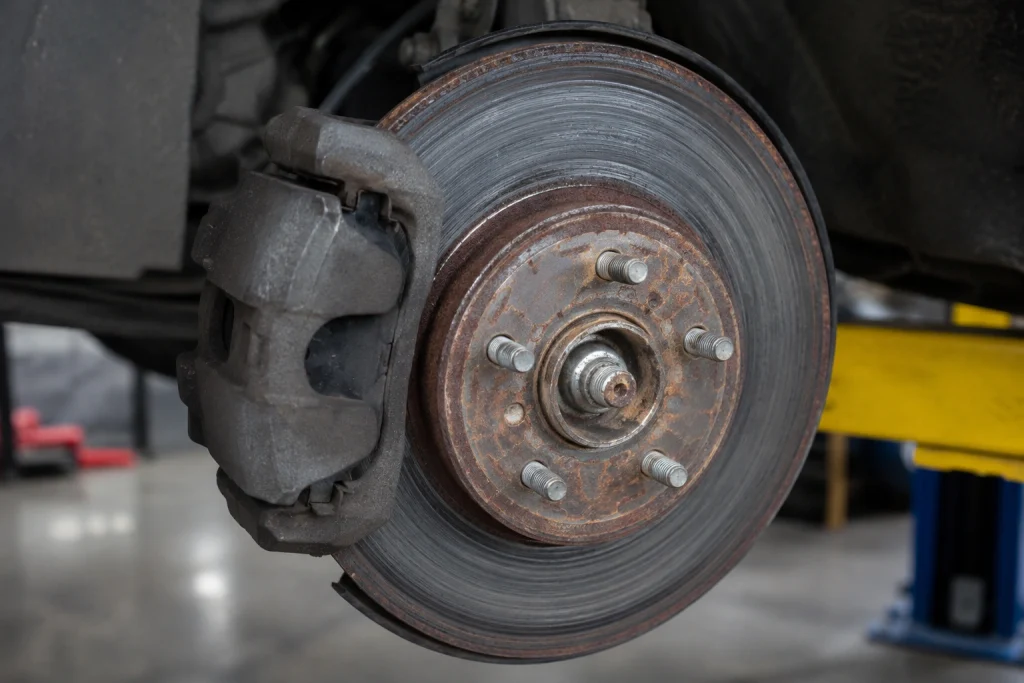
Every time you slow your vehicle, your brake pads create friction against the brake rotors.
Drivers who regularly commute through heavy traffic—especially along I-95, Route 3, or busy Fredericksburg intersections—simply use their brakes far more often than someone who spends most of their time driving on open highways.
More braking means more friction, and more friction means faster brake pad wear.
Vehicle Weight Makes a Difference
Heavier vehicles require more braking force to come to a stop.
SUVs, pickup trucks, and vehicles carrying passengers, tools, or equipment often place greater demands on the braking system than smaller passenger cars.
If you frequently tow a trailer or haul heavy loads, your brakes may wear even faster.
Driving Habits Can Shorten Brake Life
Many brake wear issues have nothing to do with defective parts. Instead, they’re simply the result of everyday driving habits.
Riding the Brakes Adds Unnecessary Heat
Keeping your foot lightly on the brake pedal while driving—even without realizing it—creates additional heat and friction.
This can accelerate brake pad wear while increasing the likelihood of rotor damage over time.
Leaving extra following distance and allowing your vehicle to slow naturally whenever possible can help extend brake life.
Delaying Brake Service Can Cost More
Brake pads are designed to wear before other brake components do.
Replacing worn brake pads promptly often protects your rotors from unnecessary damage. Waiting until you hear grinding noises may mean the brake pads have worn completely away, allowing metal components to contact the rotors.
What could have been a relatively inexpensive brake pad replacement may now require rotor replacement as well.
Don’t Ignore the Warning Signs
Your vehicle will often let you know when the brakes need attention.
Schedule a brake inspection if you notice:
- Squealing or grinding noises
- Vibration while braking
- A brake warning light
- Longer stopping distances
- A soft or spongy brake pedal
- Your vehicle pulling to one side while braking
Catching these problems early can improve safety while reducing repair costs.
At Ferber’s Tire & Auto Service, our technicians inspect your entire braking system—not just the brake pads. We’ll explain what’s causing the wear, show you the condition of your brake components, and recommend repairs based on your vehicle’s actual needs.
If you’ve been wondering why your brakes seem to wear out faster than they should, schedule a brake inspection by calling us at (540) 898-8324, or you can use our online scheduling tool! We’ll help you keep your braking system performing safely for every mile ahead.