Read Our Blog in Ashland, Fredericksburg, & Richmond, VA | Ferber’s Tire & Auto Service

Blog

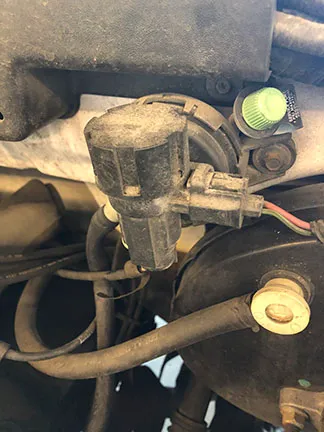
HOW DOES THE EVAPORATIVE EMISSION SYSTEM (EVAP) WORK?

The Evaporative Emission System (EVAP) is designed to store and dispose of fuel vapors before they are released into the atmosphere. Not only does this help the environment, but it also helps fuel efficiency and keeps the gasoline smell out of your cabin. So basically, these systems are designed to store and dispose of fuel Read More
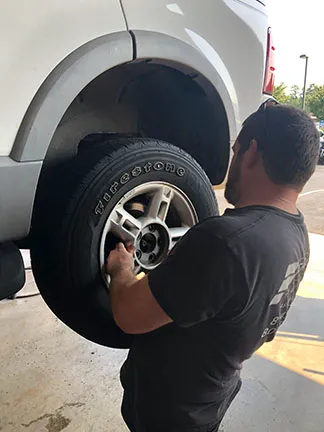
THE BENEFITS OF ROTATING TIRES

A tire rotation is an act of regularly changing the position of the tires on your vehicle. So why should you rotate your tires? Tires mounted on the front wear differently than those in the rear. You want to do the most you can to promote even wear across your tire tread pattern. For your Read More

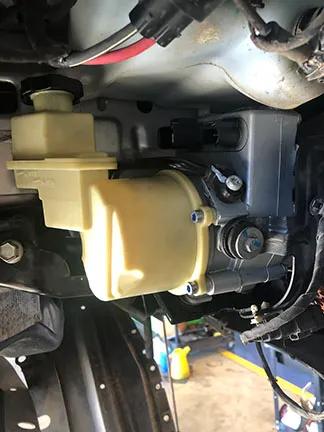
THE DIFFERENT TYPES OF POWER STEERING

The invention of power steering is what helps drivers control our powerful vehicles. Power steering allows us to maintain our heavy cars with less effort and more control. To date, there are three common types of power steering. All three power steering systems perform the same task. They just use different technology to get the Read More

HOW DOES AN O2 SENSOR WORK?

The oxygen (or O2) sensor is one of the most critical sensors in your car. The O2 sensor’s job is to scan the amount of oxygen in the exhaust stream as it exits the engine. This task allows the sensor to measure the fuel mixture. This vital information allows the engine to make the changes Read More

WHY IS MY STEERING WHEEL HARD TO TURN?

Not only is a hard to turn steering wheel an annoying issue, but it’s also a dangerous one. We don’t have to stress the importance of having full control of your vehicle during emergencies. With many components that control the steering in your car, let’s look at the common issues. To start, the most common Read More

HOW OFTEN SHOULD I BALANCE MY TIRES?

While it can be easy to overlook, balancing the tires on your car help maintain a smooth ride. Properly balanced tires reduce tire wear, provide better handling, and even maximize fuel economy. The balance we refer to is all about weight distribution. Most shops have wheel balancing machines that allow technicians to find which areas Read More

HOW DO ANTI-LOCK BRAKES WORK?

Traditionally, slamming on the brakes would cause them to lock up, making your car occasionally lose control. With older vehicles, it was hard to maximize the stopping power of your brakes. You either were not braking as hard as you need to, or you hit the brakes too hard, causing a skid. Anti-lock brakes (ABS) Read More

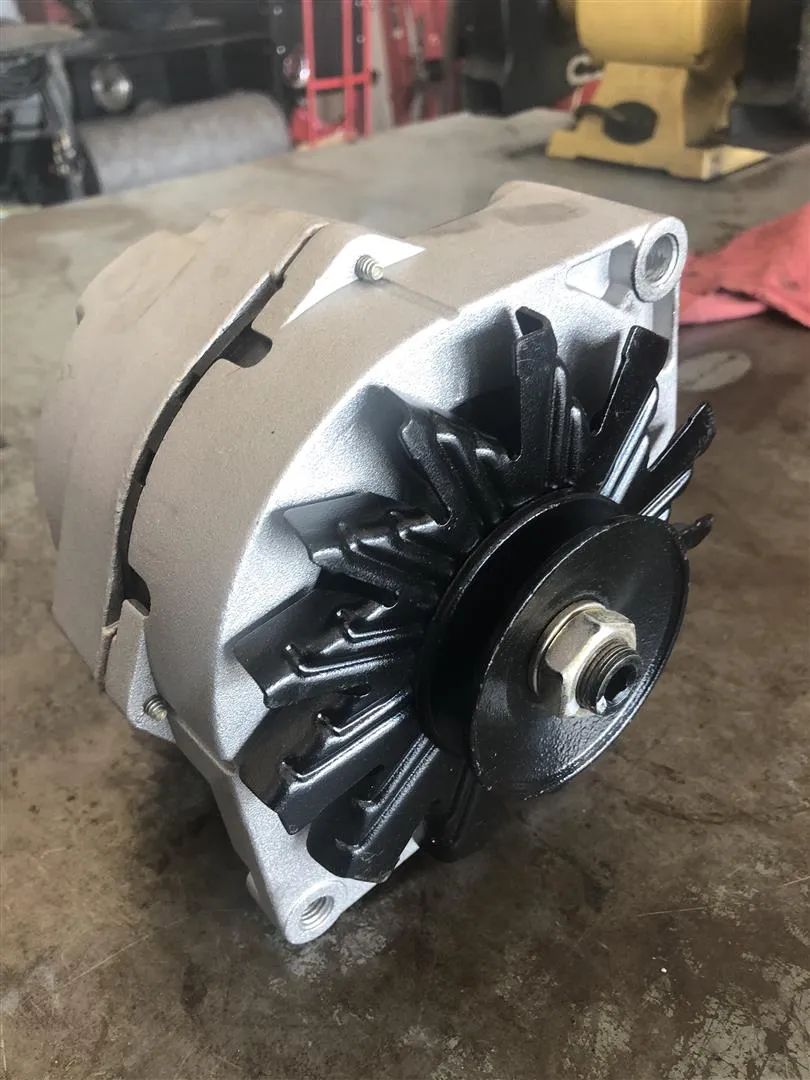
HOW DOES AN ALTERNATOR WORK?

Most people think of the battery as the driving force for powering your vehicle’s electronics, but that’s only part of the equation. The charging system is a combination of your battery, voltage regulator, and alternator. Today, our focus is on the alternator. The alternator gets its power from the serpentine belt, which gets its power Read More

WHY DOES MY TIMING BELT MAKE NOISE?

The job of the timing belt is to keep the camshaft and crankshaft pulley in sync. This way, the valves and piston push at the correct time. So, what could cause noise in a timing belt? A squealing noise could be from a lack of tension between the belt and pulleys. Worn belt ribs and Read More

WHY IS MY COOLANT LOW?

The coolant’s (aka antifreeze) job is to control your engine’s temperature and prevent the radiator from freezing. Cars can run extremely hot, so coolant keeps your engine running at a safe temperature to prevent major damage. So, what are some signs your car may be losing coolant? The first and most simple step is to Read More

1 7 8 9 10 11 14