
Does Your Driving Style Mean You Need Oil Changes More Often?
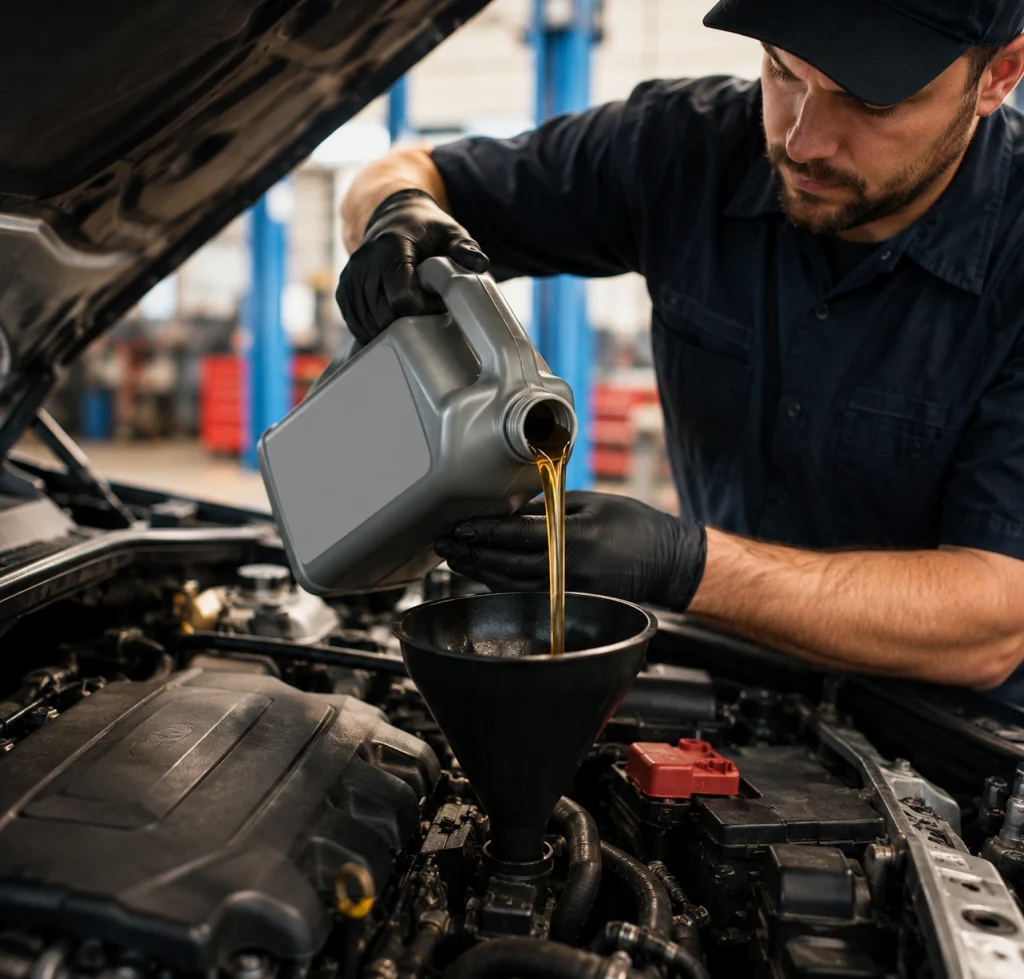
You may know the recommended mileage for your next oil change, but mileage isn’t the only factor that can affect how often your vehicle needs service. How and where you drive can matter, too.
Frequent short trips, stop-and-go traffic, towing, extensive idling, and other demanding conditions can place additional stress on your engine and motor oil. Depending on your vehicle manufacturer’s recommendations, these conditions may require a different maintenance schedule than primarily driving long distances under normal conditions.
At Ferber’s Tire & Auto Service, we can help determine the appropriate oil-change interval and motor oil for your specific vehicle and driving habits. Stop by any of our central area locations for your next service! in Ashland visit us at 106 Junction Drive Ashland, VA 23005 or 10383 Leadbetter Road Ashland, VA 23005. In Fredericksburg stop by our shop at 9407 Onyx Court Fredericksburg, VA 22407. And in Midlothian, visit our two shops there at 11201 Midlothian Turnpike, Richmond, VA 23235 and 13937 Hull Street Rd N, Midlothian, VA 23112.
What Driving Habits Can Affect Your Oil Change Schedule?
Motor oil lubricates moving engine components, helps reduce friction, and carries contaminants to the oil filter. Over time, heat, contamination, and normal engine operation reduce its effectiveness.
Frequent Short Trips and Stop-and-Go Driving
Short trips can be harder on your engine than many drivers realize. When you regularly drive only a few miles at a time, the engine and oil may not always remain at full operating temperature long enough to help evaporate accumulated moisture.
Stop-and-go driving can also mean plenty of engine operation without accumulating many miles. That’s worth considering if much of your driving involves Richmond-area traffic rather than long, uninterrupted highway trips.
Towing, Heavy Loads, and Extensive Idling
Using a truck or SUV for towing or regularly carrying heavy loads makes the engine work harder. Depending on the manufacturer, these conditions may fall under a more demanding maintenance schedule.
The same applies to vehicles that spend significant time idling. Your odometer may barely move while the engine continues operating. Fleet vehicles and work trucks are good examples of why mileage alone doesn’t always tell the complete maintenance story.
Ferber’s offers fleet maintenance and repair for businesses that need to keep working vehicles properly maintained.
How Often Should You Actually Change Your Oil?
Follow Your Vehicle’s Requirements—Not an Outdated Rule
There isn’t one oil-change interval that’s right for every vehicle. Modern engines, oil-life monitoring systems, and synthetic oils have changed maintenance recommendations considerably.
The best starting point is your owner’s manual and manufacturer maintenance schedule. Your required interval can depend on engine design, oil specification, age, mileage, and driving conditions. If your vehicle has an oil-life monitoring system, pay attention to its maintenance notifications as well.
This is also why the traditional “every 3,000 miles” rule shouldn’t automatically be applied to every modern vehicle. Some vehicles specify considerably longer intervals under normal driving conditions, while severe operating conditions may change the recommendation.
Regular oil changes also provide an opportunity to keep an eye on other maintenance needs. Ferber’s factory-scheduled maintenance can help you stay current with services recommended for your vehicle’s mileage and manufacturer specifications.
If you’re unsure when your vehicle is due—or whether your driving habits mean you should follow a different maintenance schedule—ask our technicians.
To schedule your next oil change with Ferber’s Tire & Auto Service call our Ashland shops at 804-550-2886 or (804) 550-3535, in Fredericksburg call (540) 898-8324, and in Midlothian call us at (804) 665-9500 or (804) 601-1110.
Keeping up with the right oil-change schedule can help protect your engine, maintain performance, and prevent neglected oil from becoming a much more expensive problem.