Automotive Repair Archives - Page 5 of 11 - Ferber's Tire & Auto Service

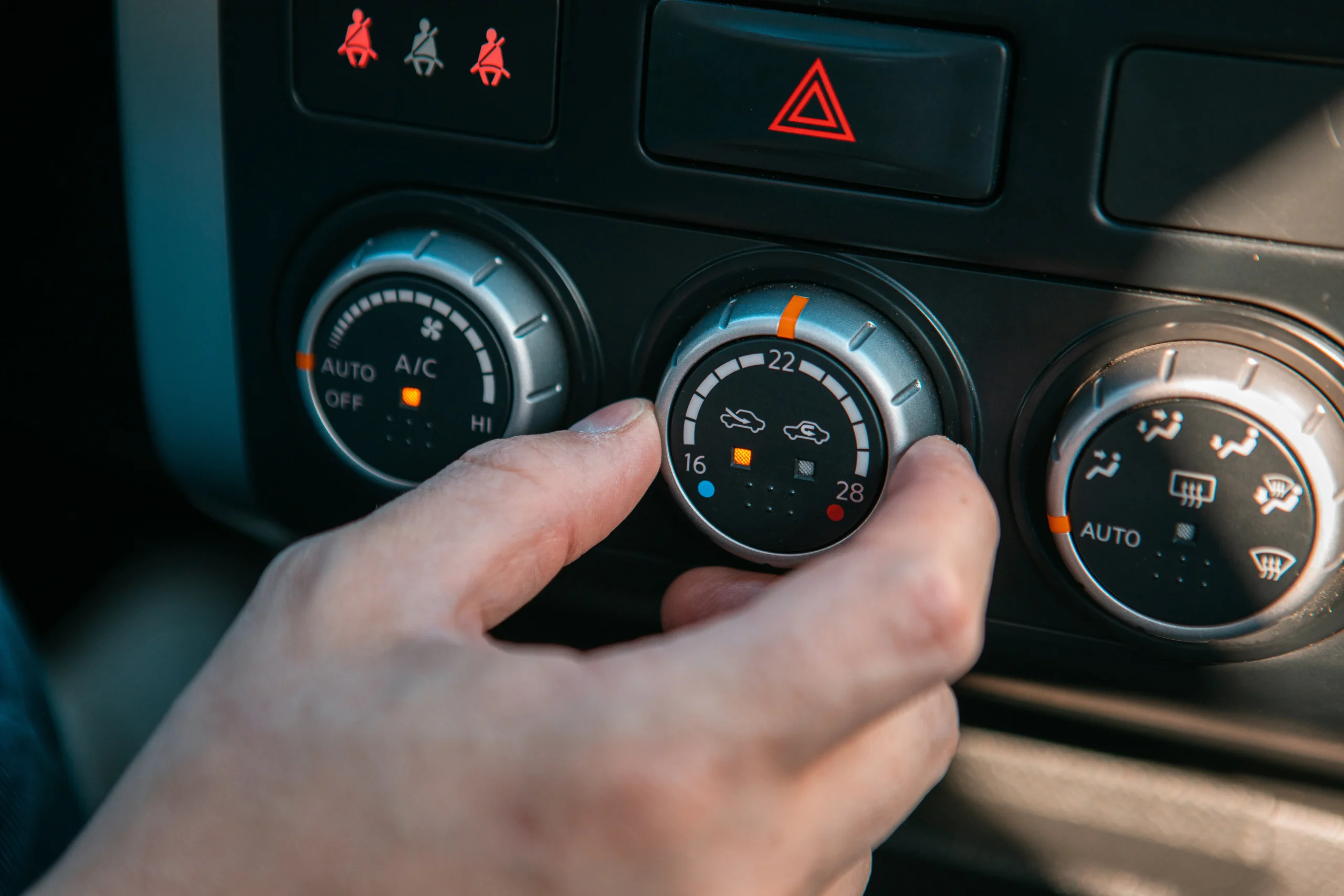
The blower motor powers the fan that allows hot or cold air to flow from the vents in your vehicle. It is the life of your HVAC system. Without airflow, you won’t have properly working heat or air conditioning. The blower motor is inside your dashboard, usually opposite the steering wheel. So, what does the blower motor have to do with a fixed high airflow?

The blower motor works in conjunction with a resistor. The resistor uses voltage to control the output speed of the blower motor. The blower motor resistor is prone to shorts, corrosion, and overheating. When the resistor fails, typically, the highest setting is the only option that still functions. This is because the air from the blower motor is bypassing the resistor, thus gaining the maximum amount of voltage, resulting in full power. In other cases, there could be an issue with your AC module or the fan switch. With the resistor sometimes located in a hard-to-reach location, it’s best to go to a trusted auto shop for a proper diagnostic. Bring your vehicle to Ferber’s Tire and Auto for a diagnostic today!

WHY DOES MY HEAT/AC ONLY RUN ON ONE SETTING?

The blower motor powers the fan that allows hot or cold air to flow from the vents in your vehicle. It is the life of your HVAC system. Without airflow, you won’t have properly working heat or air conditioning. The blower motor is inside your dashboard, usually opposite the steering wheel. So, what does the Read More
WHY DOES MY SWAY BAR LINK BREAK?

To figure out why your sway bar link breaks, it’s first important to understand how sway bars work. The sway bar, also known as an anti-roll bar or stabilizer bar, is a vital part of your vehicle’s suspension system and keeps it level during cornering. Sway bars are usually a long and hollow arched steel Read More

SIGNS OF A BAD WATER PUMP

The engine of your car creates an insane amount of heat. The water pump runs coolant through the engine block, radiator, and hoses to draw heat away from the engine to keep it cool. Running coolant through the engine is vital to keep your engine running smoothly at the optimal temperature. While sturdy, like most Read More

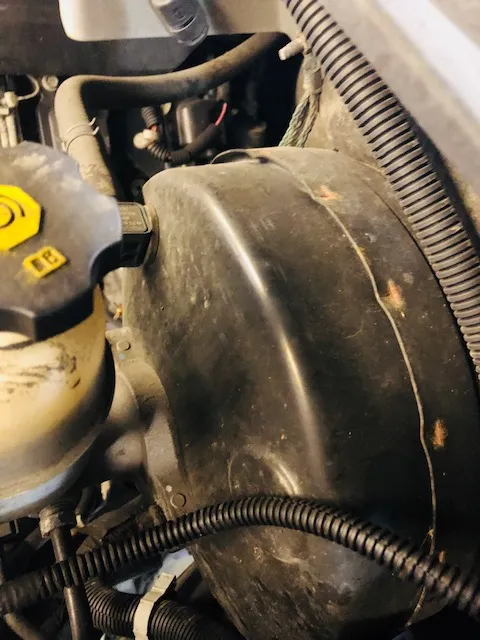
WHAT IS A BRAKE BOOSTER?

The brake booster is a canister that sits between your brake pedal and the master cylinder. Much like power steering helps us steer, brake boosters help us in the braking process. Some breaking systems work at high fluid pressures, this has the ability to make our brake pedals hard to use. Brake boosters make this Read More

WHY DOES MY CATALYTIC CONVERTER OVERHEAT?

A combination of air and gasoline is forced into a combustion chamber where they’re burned and let out into the environment. Your vehicle’s exhaust emits toxic chemicals that pollute the atmosphere. This is where the catalytic converter comes in. The converter uses a catalyst that causes a chemical reaction. This reaction converts the harmful compounds Read More

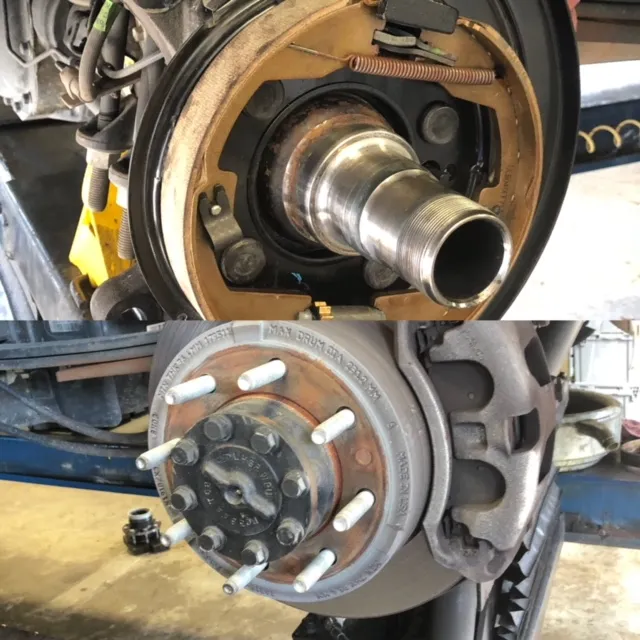
WHAT’S THE DIFFERENCE BETWEEN DISC BRAKES AND DRUM BRAKES?

As cars evolve, so do braking systems. Technology allows us to engineer the best parts to maximize safety on the road. So, what distinguishes drum brakes from disc brakes? Today we’re going to compare and contrast the two to better understand how they function. Drum Brakes: Disc Brakes: While both of these systems use heat Read More

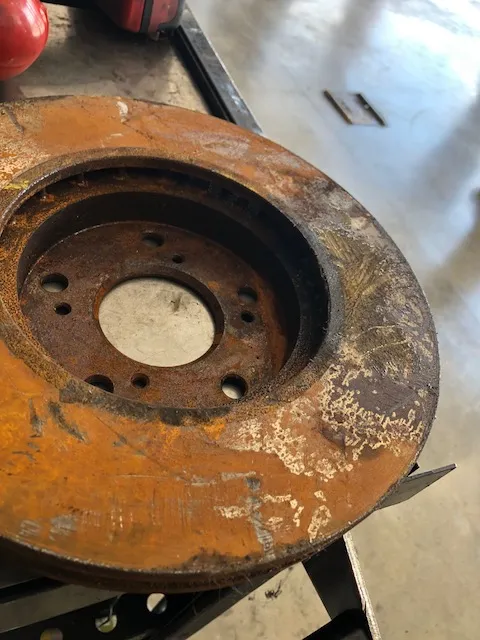
WHY DOES MY CAR SHAKE WHEN I USE MY BRAKES?

While driving your car, everything feels fine until you apply your brakes. All of a sudden you feel your vehicle shaking and you have a vibrating sensation going through your pedal and steering wheel. What’s the cause of this? Every time you apply your brakes, the friction causes you to naturally generate heat in your Read More

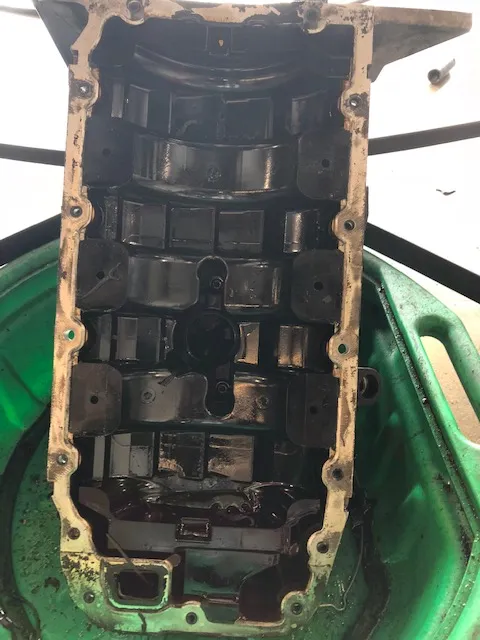
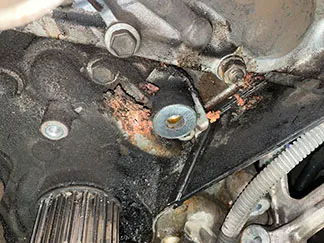
WHY IS MY OIL PAN LEAKING?

The oil pan is the reservoir for the oil pumped throughout the engine. It’s bolted to the bottom your engine and is usually made from steel or aluminum. Most oil pans have a pump that rests in the pan to force oil through a filter to move debris, dirt and other impurities that circulate through Read More

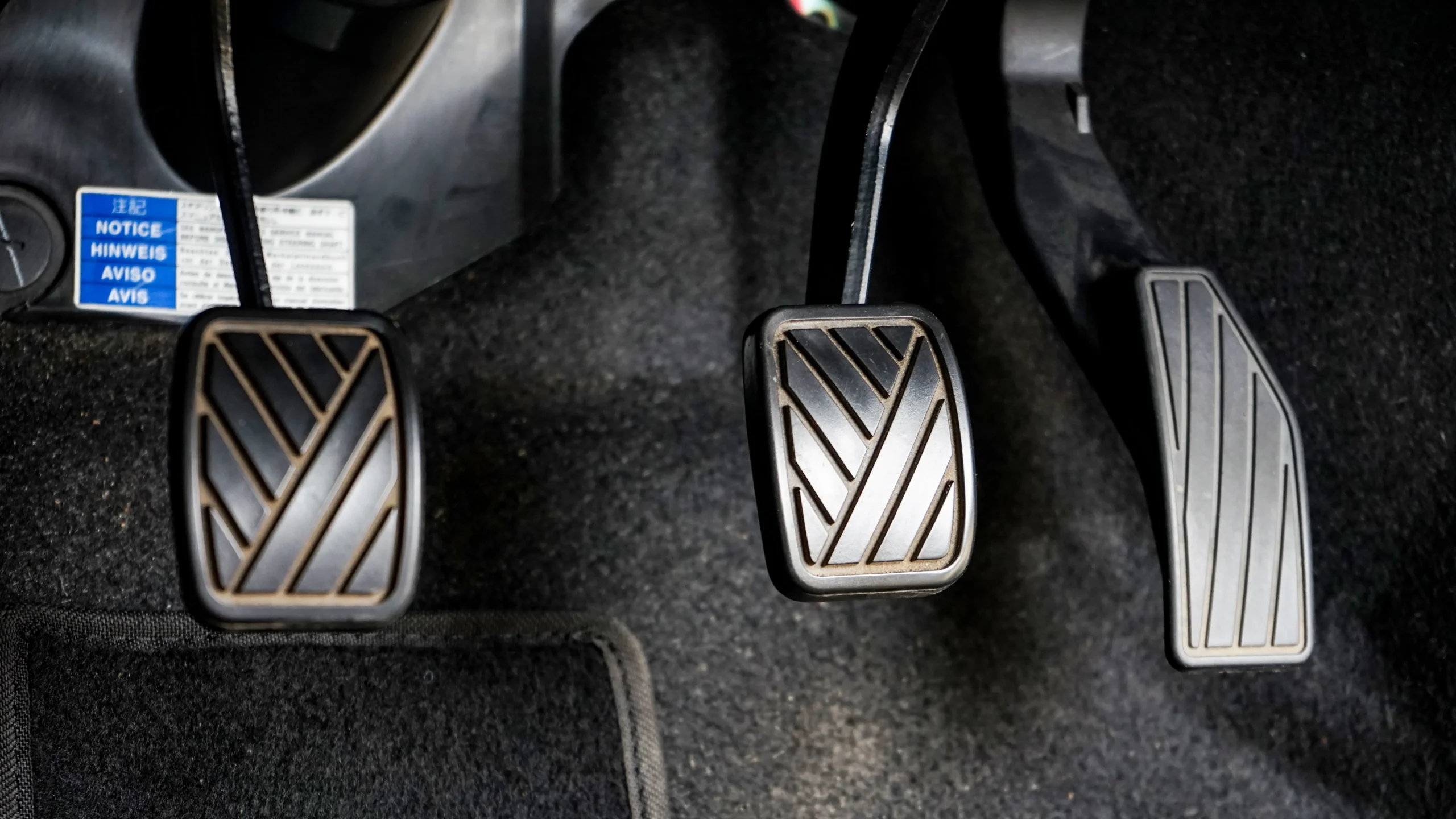
WHAT CAUSES MY CLUTCH TO SLIP?

The clutch is the part of your vehicle that connects two or more rotating shafts. It transfers rotational power from the engine to your wheels in manual cars. The clutch allows us to engage a spinning engine to a non-spinning transmission by controlling the slippage. When the clutch engages everything spins together. Once you press Read More

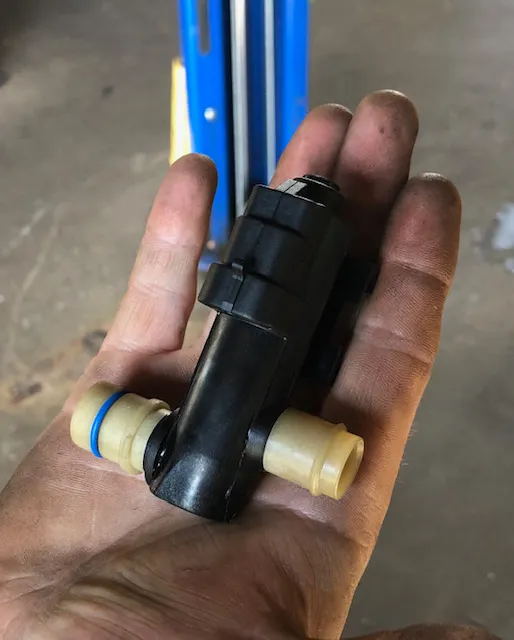
WHAT IS A CANISTER PURGE VALVE, AND HOW DOES IT FUNCTION?

The canister purge valve is a vital part of the Evaporative Emission Control System (EVAP). The EVAP system seals the fuel system of your vehicle to prevent harmful fuel vapors from entering the environment. In particular, the canister purge valve is an emissions control component that allows the engine intake vacuum to take the exact Read More

1 3 4 5 6 7 11