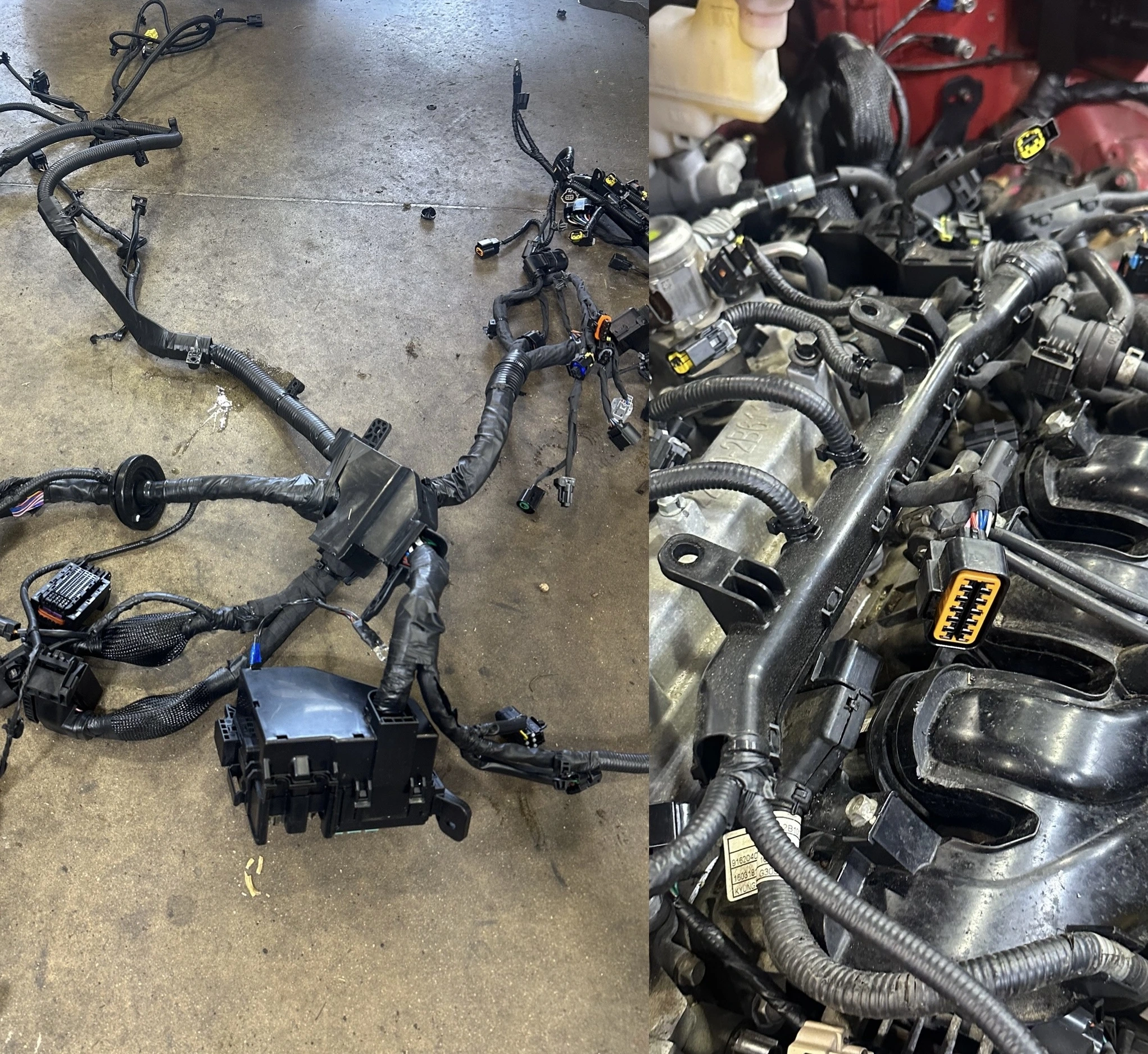
How does a wiring harness work?
The wiring harness in a car is like the body’s nervous system. Just like nerves carry signals from your brain to your muscles, a wiring harness carries electrical power and signals to different parts of the car. It’s a collection of wires, connectors, and other components that make sure electricity flows to where it’s needed.
At its core, a wiring harness allows various electrical systems in the car to work together. For example, it connects the battery to things like your headlights, radio, and engine sensors. Without it, none of the car’s electronics would function properly.
When you turn on your headlights, for instance, the wiring harness delivers electricity from the battery to the light bulbs. The same happens when you use your turn signals or start the engine. Inside the harness, wires are bundled together and organized to avoid tangling, reduce space, and protect them from damage. The harness also helps keep wires from being exposed to heat, moisture, or rough conditions that could cause them to wear out.
Each wire in the harness has a specific job, connecting different systems in the car. Some cables carry high voltage to powerful parts like the engine, while others handle low voltage for smaller electronics like your dashboard. Since cars have become more complex, modern wiring harnesses have to manage a lot of different connections, often controlling things like airbags, GPS systems, and sensors that help with safety and efficiency.
Essentially, the wiring harness keeps the car’s electrical parts in sync, ensuring they get the power they need. Without this hidden network of wires, a car’s modern features would be useless, making it a critical part of how a car operates daily. Have a wiring issue? Bring your vehicle to an auto shop you can trust, such as Ferber’s Auto and Body!