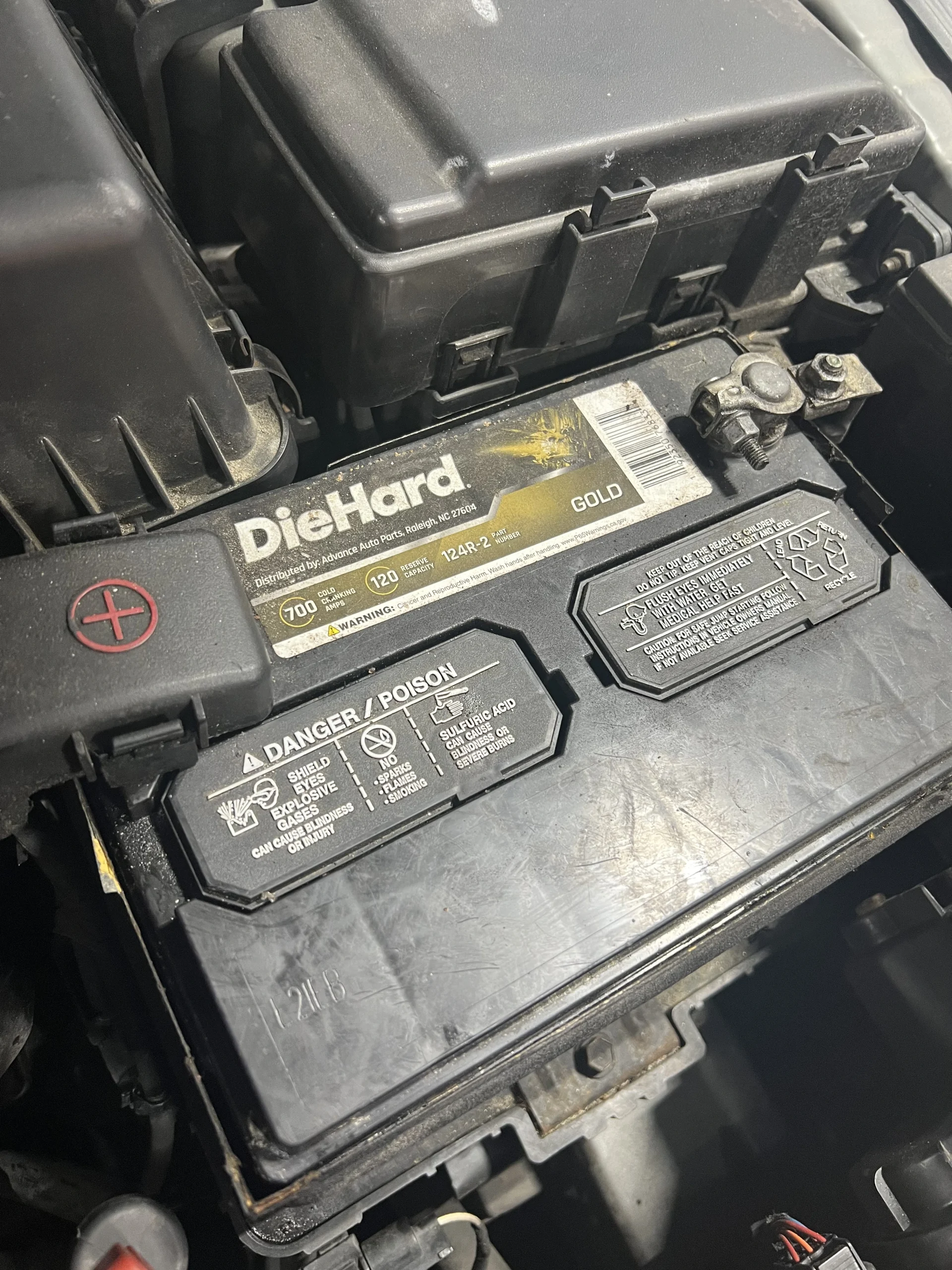
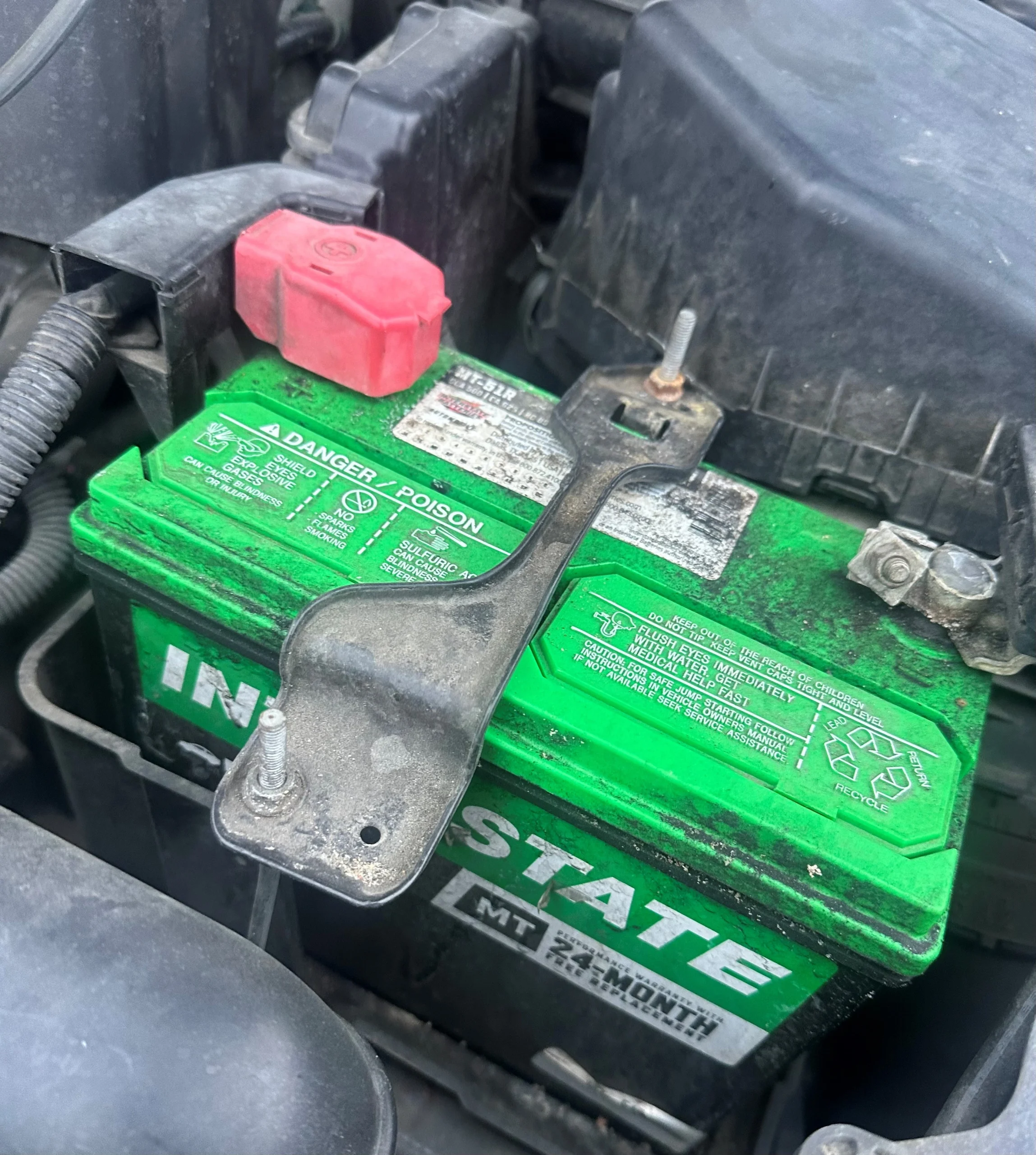
If you’ve ever had trouble starting your car on a freezing morning, you’re not alone. Cold weather and car batteries just don’t get along, and there’s a good reason for that. Understanding why your battery struggles in the cold can help you prepare and avoid those frustrating moments when your car won’t start.
Car batteries work by using a chemical reaction to produce electricity. Inside the battery, there’s a mix of chemicals, usually including lead and sulfuric acid, that creates the energy needed to start your car. When temperatures drop, the chemical reactions inside the battery slow down. This means the battery produces less energy, and starting your car becomes much harder.
On top of that, cold weather thickens the oil in your car’s engine. Thicker oil makes it harder for the engine to turn over, so your car needs more power to start. Unfortunately, your battery is already weakened by the cold, so it may not have enough energy to do the job. It’s a tough combination of factors.
To make things worse, batteries lose some of their charge naturally over time, and freezing temperatures speed up this process. If your battery was already a little weak, the cold can push it over the edge, leaving you in a tough spot.
And it’s not just the battery that’s affected. When you turn on your car on a cold day, you’re probably using the heater, defroster, and lights more than usual. These extra demands put additional strain on an already struggling battery.
Keeping your car in a garage can help protect the battery from freezing temperatures. Any warm place to park will help and if that’s not an option, a battery blanket—a device that wraps around the battery and keeps it warm—can make a big difference.
Cold weather can be tough on car batteries, but with a little preparation, you can keep your car running smoothly all winter long.