Automotive Repair Archives - Ferber's Tire & Auto Service

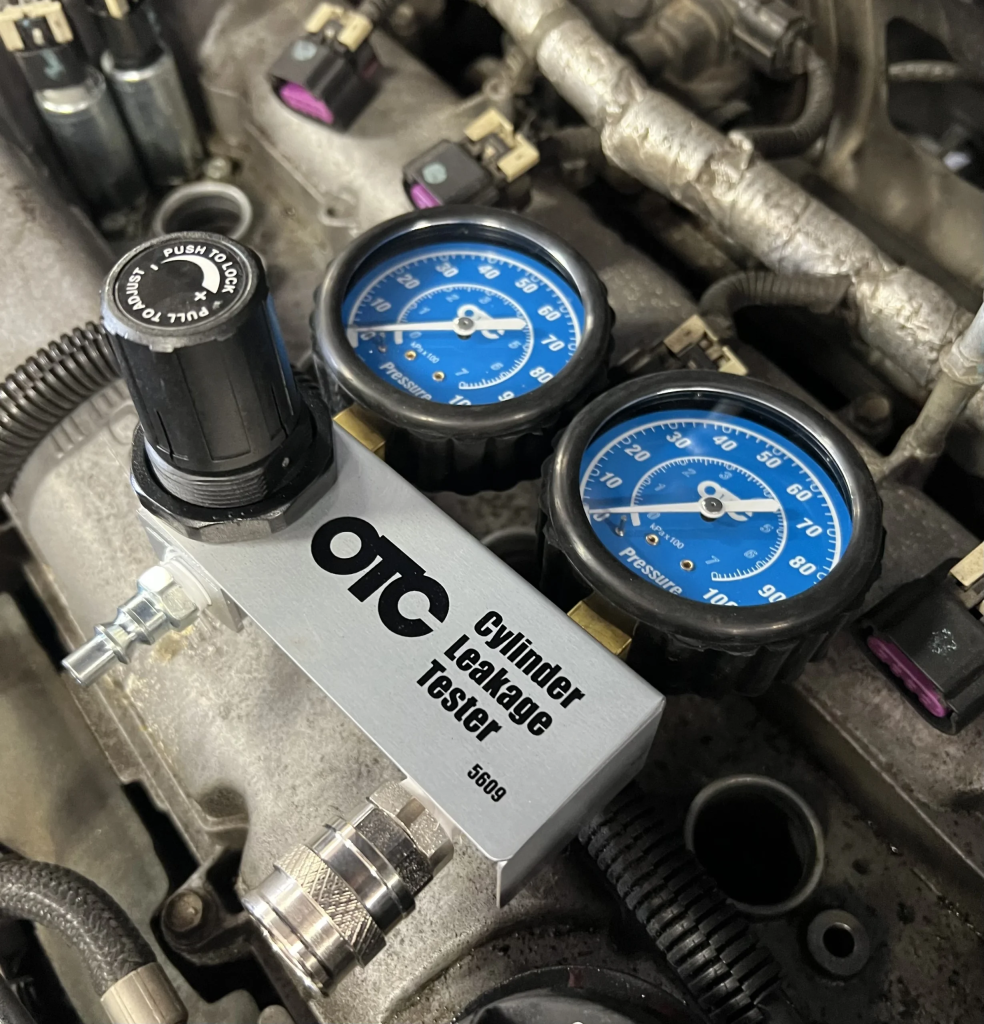
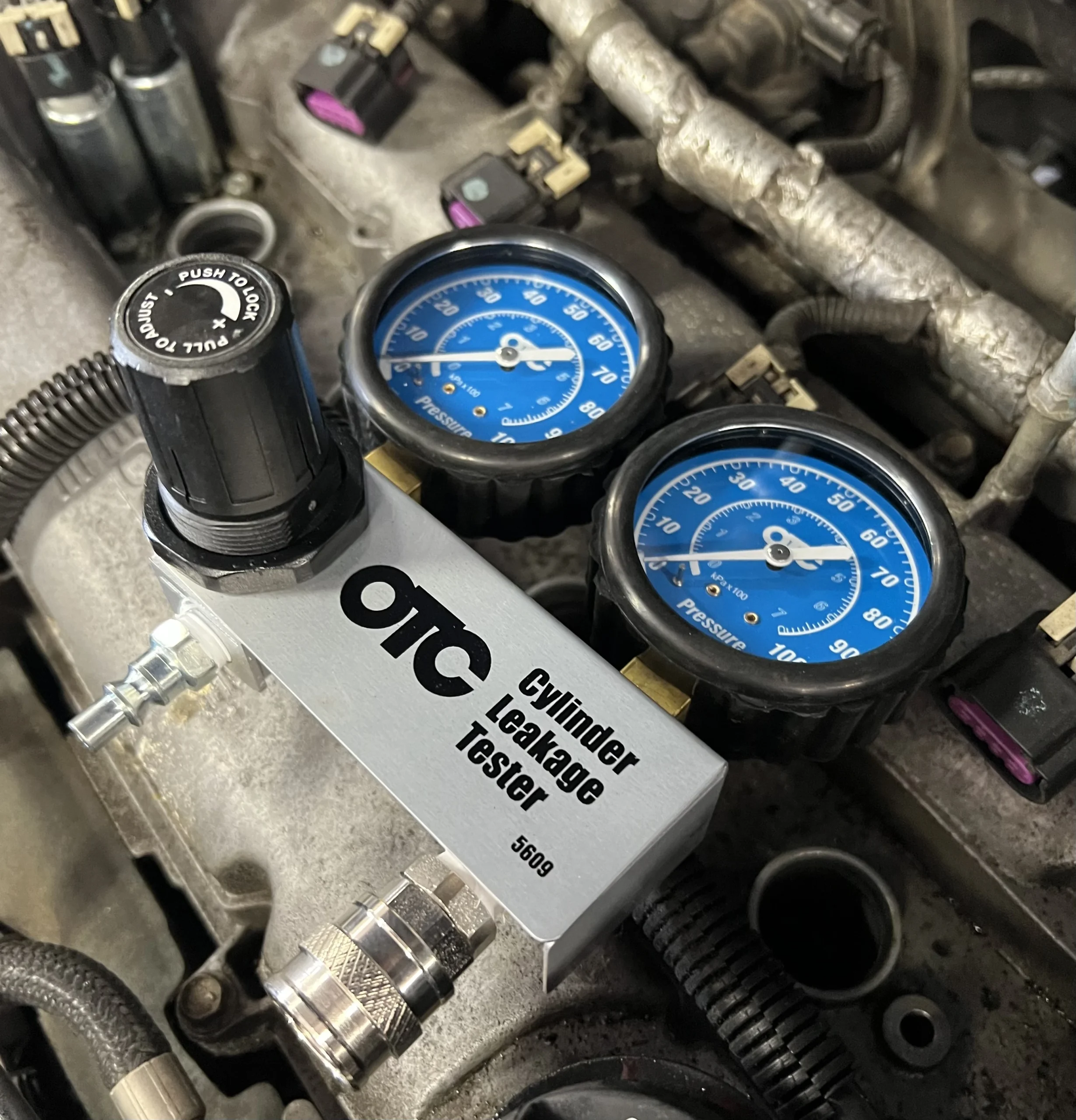
A cylinder leak down tester is a tool that helps check the condition of an engine’s cylinders. It measures how much air leaks out of a cylinder when it is under pressure. The tester can help find problems like worn piston rings, damaged valves, or even a blown head gasket. Unlike a compression test, which only tells you how much pressure a cylinder can hold, a leak down test shows exactly where the air is escaping.

To use a leak down tester, a mechanic removes a spark plug and connects the tester to the cylinder. Next, compressed air is then sent into the cylinder while the engine is at top dead center (TDC) for that piston. If there is a problem, the air will escape, and by listening carefully, the mechanic can figure out where the leak is coming from. For example, air escaping through the intake means a problem with the intake valve, while air coming from the exhaust pipe points to an issue with the exhaust valve.

This test helps diagnose engine problems without having to take the engine apart. It can help identify issues early, preventing bigger and more expensive repairs down the road. Whether you’re a mechanic or a car enthusiast, a cylinder leak down tester is a great tool for understanding engine health and keeping a vehicle running smoothly. Having engine issues? Call a trusted auto shop you can trust, like Ferber’s Tire and Auto for repairs.

What is a cylinder leak down tester?

A cylinder leak down tester is a tool that helps check the condition of an engine’s cylinders. It measures how much air leaks out of a cylinder when it is under pressure. The tester can help find problems like worn piston rings, damaged valves, or even a blown head gasket. Unlike a compression test, which Read More
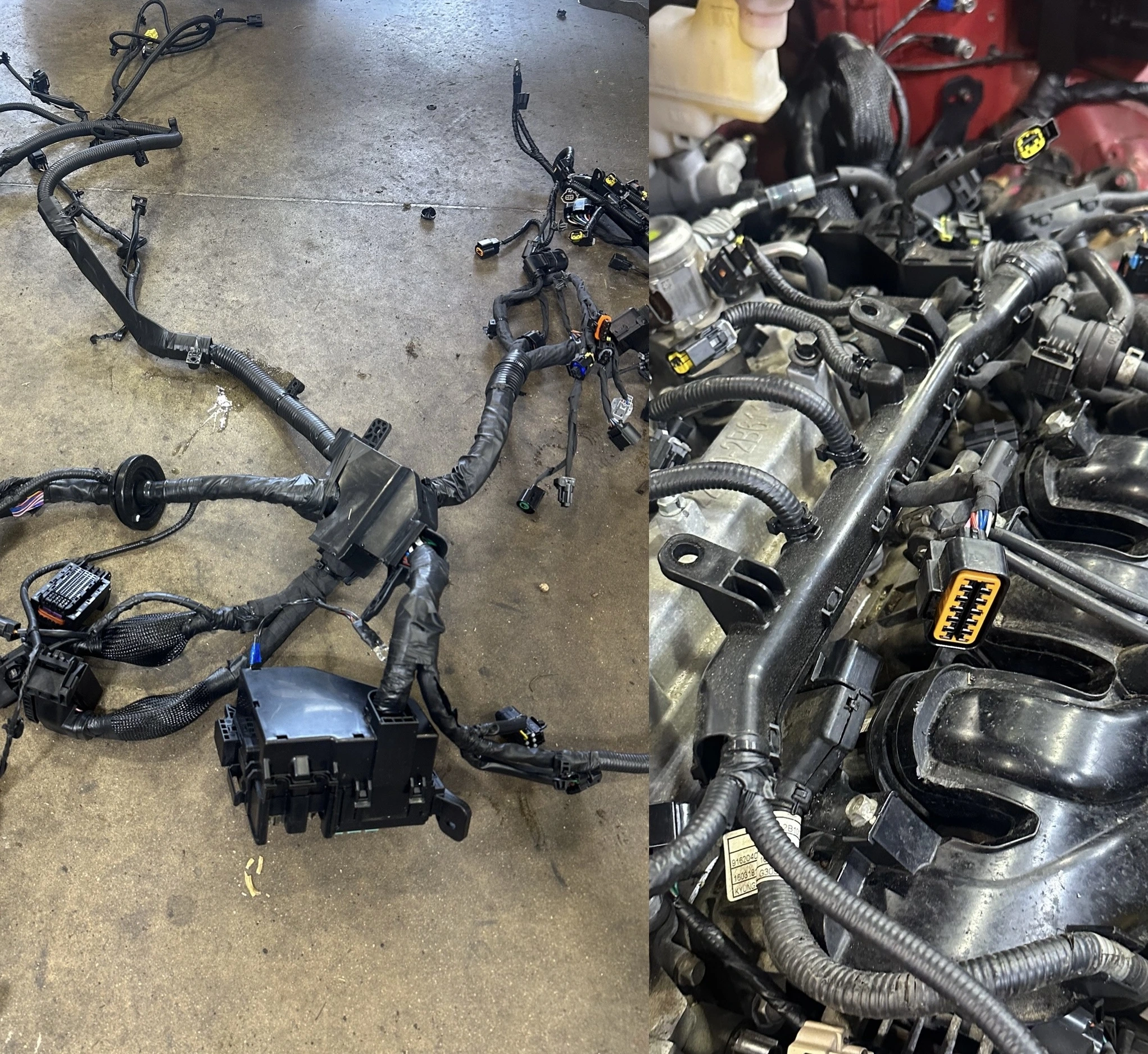
How does a wiring harness work?

The wiring harness in a car is like the body’s nervous system. Just like nerves carry signals from your brain to your muscles, a wiring harness carries electrical power and signals to different parts of the car. It’s a collection of wires, connectors, and other components that make sure electricity flows to where it’s needed. Read More

What’s the difference between diesel and gas engines?

Ever wondered what’s the difference between a diesel engine and a gas engine? You’re not alone. Both types of engines power vehicles, but they work differently and have unique characteristics. Let’s explore the key differences between diesel engines and gas engines in a way that’s simple to breakdown. First, let’s discuss how each engine creates Read More

Why does my car’s engine overheat?

Have you ever been driving and noticed your car’s temperature gauge going higher and higher? Or maybe you’ve seen steam coming from under the hood? If so, your car’s engine might be overheating. But why does this happen? One of the main reasons an engine overheats is because the coolant level is too low. Coolant, Read More

Why won’t my car start?

Few things are as frustrating as turning the key in the ignition and hearing nothing but silence or a faint click. If you’ve ever encountered this situation, you’re not alone. A car that won’t start can be caused by several common issues, and understanding these reasons can help you troubleshoot the problem. Let’s take it Read More

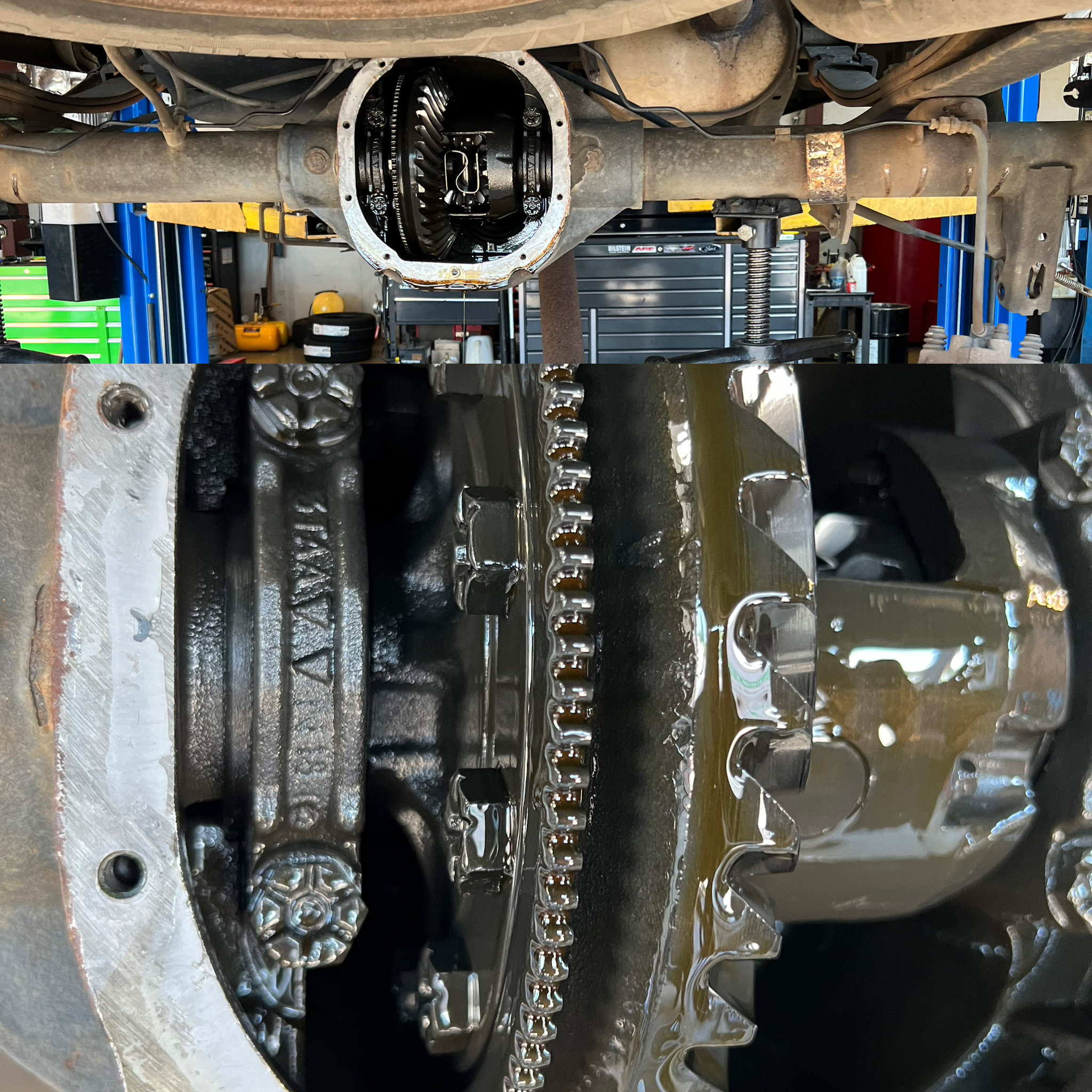
How the Rear Differential Works

The rear differential in a car is a crucial component of the drivetrain, responsible for transmitting power from the engine to the rear wheels while allowing them to rotate at different speeds when turning corners. Let’s explore how the rear differential works: The rear differential is typically located between the rear wheels and is housed Read More

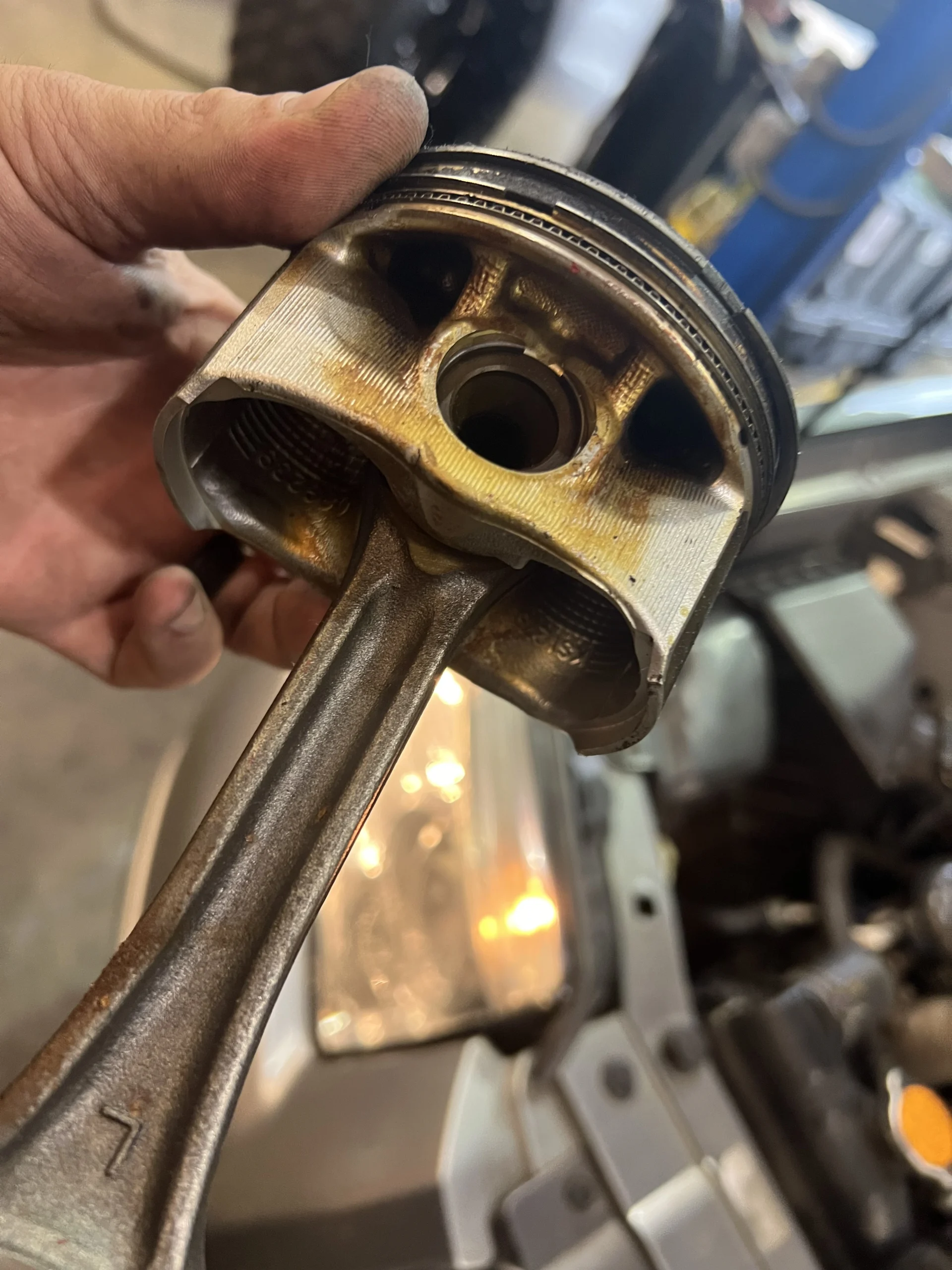
How an Engine Piston Works

The piston is a crucial component of an internal combustion engine, playing a vital role in converting fuel into mechanical energy. Let’s break down how the piston works in an engine: Let’s start with where the piston is located and how it functions. The piston is a cylindrical component typically made of aluminum alloy. It Read More

8 Common Radiator Issues

The radiator is a crucial component of a car’s cooling system, responsible for dissipating heat generated by the engine. Common radiator issues can lead to overheating and other problems. Here are some common radiator issues in a car: Coolant Leaks: One of the most prevalent problems is coolant leaks. Leaks can occur due to corrosion, Read More

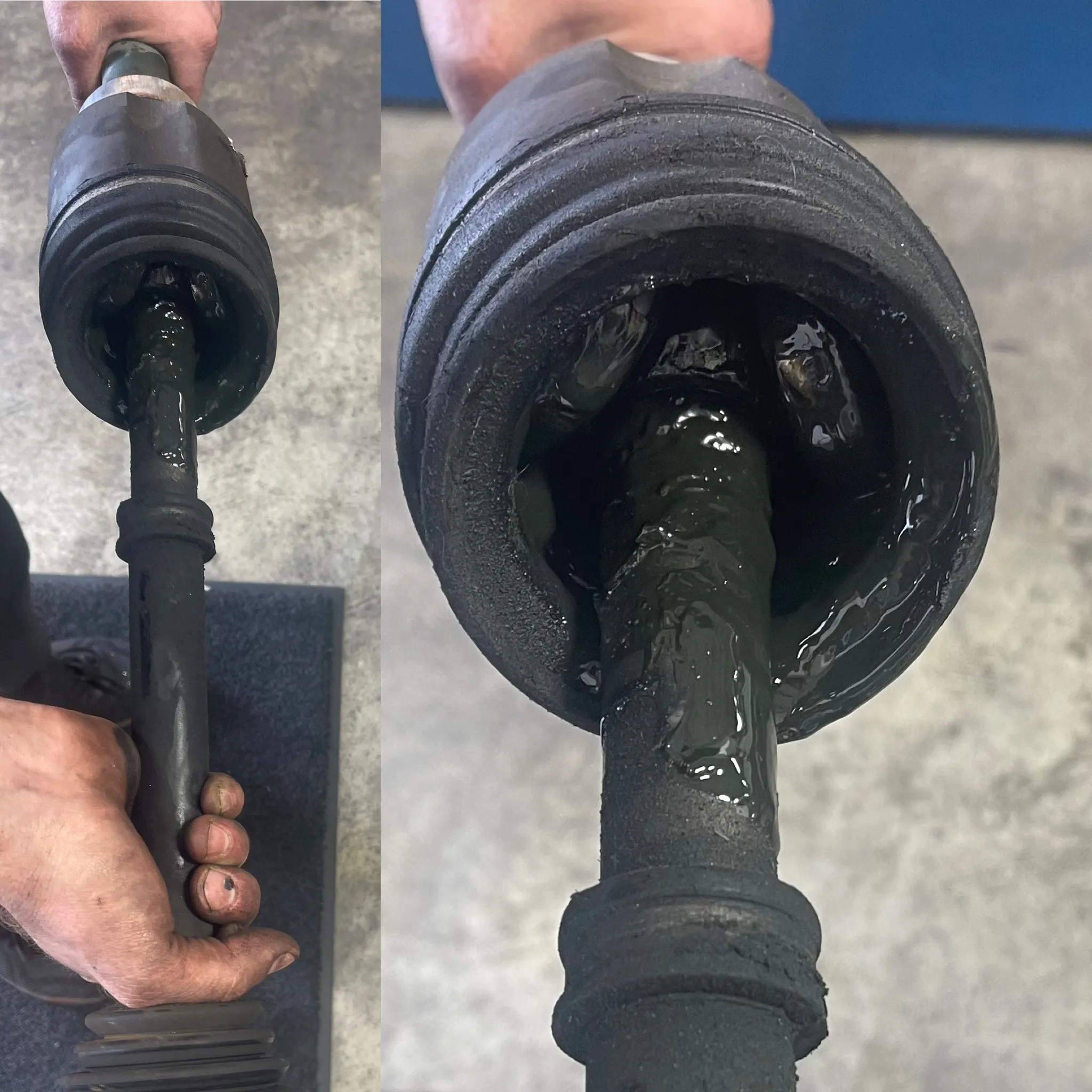
5 Signs of a Failing CV Axle

A CV (constant velocity) axle is a critical component in a vehicle’s drivetrain, responsible for transferring power from the transmission to the wheels while allowing for flexible movement. Here are five signs that may indicate a failing CV axle: If you observe any of these signs, it’s crucial to address the issue as soon as Read More

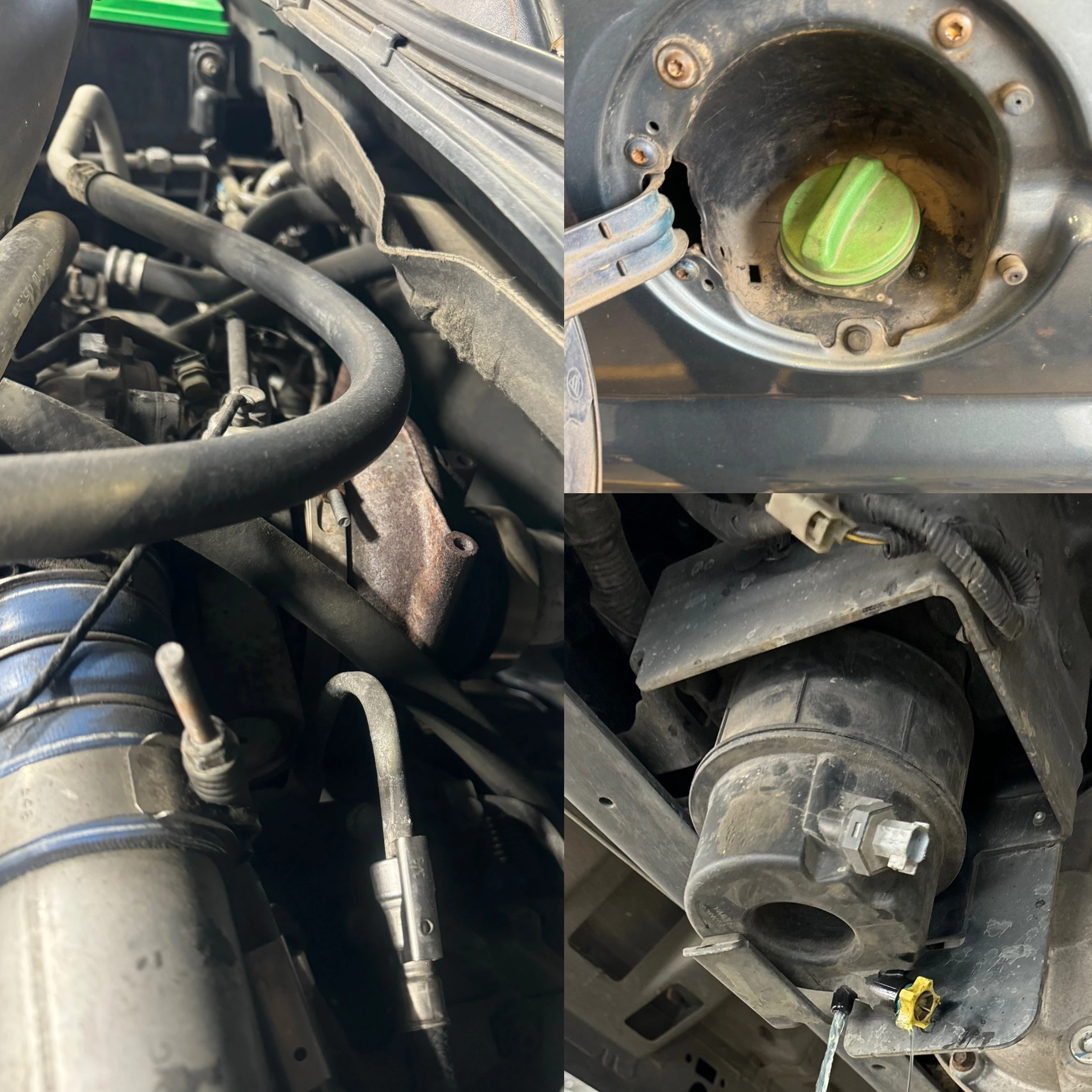
Understanding the Check Engine Light and What It Means

The Catalytic Converter: A Vital Component Diagnosing A Faulty Catalytic Converter Early There are many symptoms of a bad catalytic converter in your vehicle. The key to a catalytic converter is to catch the problems early so that the repairs won’t cost as much to repair. Catalytic converters aren’t prone to failure but wear and Read More

1 2 3 11